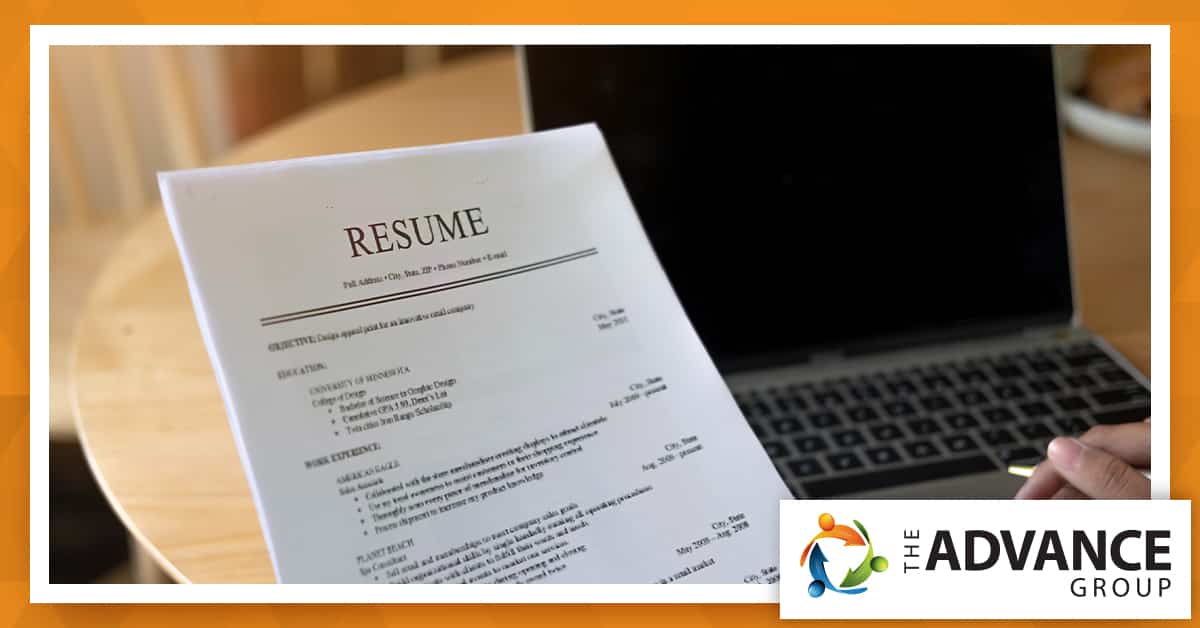
Should You List Internships on a Resume?

As you prepare to create or update your resume, you might feel conflicted about what you should or shouldn’t include. If you participated in an internship, you might wonder whether it’s appropriate to list it or, at a minimum, if that’s a wise decision.

Luckily, figuring out whether you should include your internships is relatively simple. You need to examine your situation and see whether it would benefit you to add it. If you don’t know where to begin, here are some questions you can ask yourself that can guide you in the right direction.

Is the Internship Relevant?

An internship is technically working experience. While you may or may not have been paid for taking part, you were working in a professional environment, using skills you acquired, and enhancing your capabilities along the way. It’s just like any other job in that regard and can be put in the “work history” section of a resume.

As a result, you need to look at your internship the same way you would any other professional experience and determine if it is relevant to the role you want to land. Was it in the same field? Did you acquire transferable skills that a hiring manager would value?

In either of those cases, including your internship on your resume can be the right choice. It lets you highlight valuable experience, so listing it can work in your favor.

Is the Internship Recent?

Another critical consideration is whether the internship was recent. If you are a new graduate or participated in an internship within the past few years in preparation for a career pivot, then you might not have other relevant experience in the field. If that’s the case, then you want to include your internship.

However, if you’ve had several other relevant jobs since you completed your internship, including it might not be necessary. The same situation applies to entry-level jobs once a person gets deep into their career. While the experience might relate to the target role, the details don’t provide the hiring manager with value.

Is Your Resume Short Without It?

There are instances where even an internship from years past might be an excellent addition to a resume. If you’ve only worked for one or two companies since finishing your internship, and your resume seems a bit short as a result, you might want to include it. Otherwise, even if you have a decade or more for experience, your resume may look sparse.

Typically, hiring managers only skim a resume initially. If they seem an ample amount of whitespace at the bottom, they may assume that you don’t have the experience they need or that you are earlier in your career, than you might be. In this case, adding your internship makes your resume look more comprehensive at a glance, increasing the odds the hiring manager will take a closer look.

Ultimately, whether you choose to list an internship on a resume is a personal choice. Consider the questions above and decide whether including it works in your favor. If so, then add it to your “work history section,” just as you would with any other job.

If you’d like to learn more, the team at The Advance Group can help. Contact us to speak with a member of our staff today and see how our resume writing expertise can help you find a new job today.



Ever Consider Working as a Forklift Operator?

For some, the idea of driving a forklift is very enticing. Operating equipment can be delightful as well as part of a lucrative career.

If you don’t have any training or prior experience, then you’ll need to take a few steps before you can start a career as a forklift operator. Here’s what you need to do to qualify for a job that focuses on driving forklifts

Training Programs and Technical Certifications

Before you can begin operating a forklift, you need sufficient training. Along with hands-on experience, forklift driver courses cover a ton of important information.

You’ll learn about workplace safety, including how various surface conditions and load types impact stability. Additionally, you’ll receive instruction on safe driving practices, how to adjust for pedestrian and equipment traffic, and even essential maintenance.

In many cases, you will have a chance to acquire skills for different kinds of forklifts, including standup and sit-down versions. Plus, you’ll review OSHA safety requirements as well as any more that are outlined by your state.

Typically, companies favor candidates who graduate from a robust training program or have a technical certification from a reputable entity. While you’ll also have to participate in additional training at the worksite, if you are hired (as OSHA requires this), it ensures you have the right foundational capabilities and knowledge to perform in the role.

Must-Have Skills for Forklift Drivers

Along with the hard skill you’ll acquire during training, others will benefit you as a forklift driver. Basic math and computer skills are beneficial. The ability to do basic math ensures you can properly calculate loads, while computer skills assist you with various forms of equipment operation.

Typically, the ability to handle some heavy lifting is highly desirable. While your primary duties may involve operating a forklift, that doesn’t mean you won’t have to carry weighty boxes or use tools that can be a bit hefty.

Many of the other needed ones are soft skills, a reflection of various traits that company’s look for in top candidates. Often, employers prefer job seekers who are very safety-minded. Safety is critical in any production or warehouse environment, and candidates with that mindset tend to make smarter choices.

The ability to communicate well is also vital. Usually, forklift operators are part of a team, and effective collaboration can hinge on each person’s ability to communicate effectively and work well together.

Attention to detail is similarly a must. You need to be able to follow directions precisely, ensuring you can perform critical duties accurately, like pulling items to fulfill an order that is preparing for shipment.

Keen situational awareness is another skill forklift drivers need. Since a warehouse or production environment tends to be very active, the ability to keep track of what others are doing is paramount. That way, the chances of an accident are reduced.

Ultimately, forklift operators need the right combination of training, experience, and skills to excel. If you would like to learn more or are interested in finding a forklift driving job, the team at The Advance Group can help. Contact us to speak with one of our recruiters today and see how our services can make it easier than ever to launch your forklift operator career.


Are You Offering Paid Sick Leave? (Here’s Why You Should!)

The issue of paid sick leave is a hotly debated one. Companies choose to approach it differently, and some decide not to offer it at all.

While it may seem cost-effective to not provide your employees with paid sick leave, that isn’t always the case. There can be ramifications for not making it available. It may hinder morale and productivity, which harms your bottom line as well as your recruitment and retention efforts. In some cases, it could even result in fines.

Often, there the benefits of providing your workers with paid sick leave far outweigh the drawbacks. If you aren’t offering it yet, here’s a look at why you should.

It’s Required in Many States

Depending on where your company is located, there might be laws that dictate minimum paid sick leave requirements. Failing to adhere to the rules comes with severe penalties, including hefty fines and potential lawsuits.

If you don’t offer paid sick leave, make sure you aren’t in conflict with the law. Review local requirements and regulations to ensure that your policies are aligned with what’s legally necessary.

Recruitment and Retention

When an employer provides its workers with a comprehensive benefits package that includes paid sick leave, it can bolster your recruitment and retention efforts. The policy can make your employees feel cared for, as it shows that the company is concerned about their well-being. This increases your odds of being viewed as an employer of choice, and that works in your favor when you need to attract and keep top talent.

Productivity Boosts

While it might seem like allowing your employees to take time off with pay when they are ill hurts productivity, that isn’t always the case. First, it can create a positive culture and boost morale, partially because your workers feel that the company created policies based on what’s best for them, not the employer.

Additionally, paid sick leave encourages ill employees to stay home. Since their pay won’t suffer, they are less inclined to report to work with a contagious illness. This reduces the odds that others will get sick, decreasing the need for additional people to be absent.

Further, when an employee comes into work ill, they generally aren’t the most productive. They may have trouble handling their tasks or keeping track of their duties. This could create a burden for others or drag an entire team down, possibly beyond what they would experience if the person weren’t there for the day.

In dangerous situations, it could even result in safety issues. Many medications – including some over the counter options – can hinder a person’s ability to focus or remain aware of their surroundings, and that could lead to safety incidents.

With paid sick leave, you are promoting the idea that employees should focus on their health. They won’t come to work when they aren’t capable of performing. Plus, since they can take time off to rest, they may overcome their illness more quickly. As a result, when they return, there’s a higher chance that they will be back at full productivity.

Ultimately, paid sick leave benefits the employer as much as the employee. If you’d like to learn more, the staff at The Advance Group wants to hear from you. Contact us today and see how our employee benefits expertise can help you in finding the best people for your open positions.


Start Searching for a Better General Labor Position Now!

Many professionals have vowed to make 2020 the year they find a better job. If you are looking for a new general labor position, now is a great time to launch your search. However, if you want to make progress quickly, you also need to make sure that you are using the right approach.

If you want to find a better general labor position now, here’s what you need to do.

Define Your Ideal Role

The term “general labor” can mean a lot of things. For some employers, it involves warehouse work. If you find a position with a manufacturer, it may focus more on production duties, packaging, or even light maintenance. While these roles can be a bit different, they do have one thing in common; the work is physical in nature.

If you want to find a better general labor job, then you need to determine what that means to you. Consider the kinds of duties you’d like to perform and which you’d rather avoid. That way, you can keep those points in mind during your search, allowing you to focus on options that best meet your needs and align with your preferences.

Also, evaluate your skillset to determine which opportunities match with your experience and capabilities. This is wise because some roles require specific knowledge, like how to use certain hand tools or operate various pieces of equipment. Then, you’ll be able to assess the kinds of positions you may qualify for, enabling you to focus your search on jobs that you have the best chance of landing.

Use Search Filters and Keywords

If you search “general labor jobs” in a search engine, you’re going to get more results than you could reasonably explore. Plus, many of them won’t be great fits, causing your search to be inefficient.

When you want to find a better general labor position, you need to embrace keywords and filters. First, define your location to make sure only local opportunities end up in your results. Next, include keywords that align with your preferred duties and skill set. Then, you can also add in other details, like pay rates and shift preferences, to narrow things down further.

As you search, don’t be afraid to adjust your filters and keywords. By shaking things up a little, you might discover an opportunity that you previously missed.

Also, use multiple resources. For example, you might want to try using a search engine as well as hitting numerous job boards. Conducting searches on social media might be beneficial, as well.

Connect With a Staffing Firm

If you are looking for a short-term or permanent general labor position, working with a recruiter at a staffing agency can be a great move. When you do, you can find out about opportunities in your area, including some that may not be publicly advertised. Plus, some recruitment agencies are the sole hiring resource for certain companies. If you don’t reach out to a recruiter, you can’t access these open jobs.

Working with a staffing firm can also expedite your job search. Instead of searching for weeks, months, or longer, you might be able to land a general labor position practically right away. If you want to work with a leading recruitment agency to find your next job, the team at The Advance Group wants to hear from you. Contact us to speak with one of our recruiters about our vacancies today and see how our services can make landing a better general labor job as simple as possible.


The Interview Question You Can’t Ask This Year

Many employers are aware that there are specific questions you can’t ask during an interview. Inquiring about a candidate’s citizenship, marital status, gender, national origin, race, and similar protected conditions isn’t just bad form; it’s illegal.

However, there is a new trend that raises the number of topics hiring managers can’t broach. An increasing number of states and cities are making it illegal for employers to ask job seekers something that may have previously been standard to inquire about. If you want to make sure you remain on the right side of the law, here’s what you can’t ask about in interviews.

Salary History

In an increasing number of states and municipalities, it is illegal to ask candidates about their salary histories. Questions that explicitly seek out this information, such as requesting an interviewee directly what they’ve earned in previous roles, are against the law. Additionally, any question where the goal is to find out about a job seeker’s past salary, even when it isn’t straightforward in its intent, as similarly banned.

Additionally, using any known salary information during the hiring process or when determining a new hire’s pay is also against the rules. This includes disqualifying an applicant based solely on their past earnings or extending a job offer with a salary that was chosen based on what they were paid previously.

There are also some states where employers are still allowed to ask about salary histories. Still, it is illegal to hold it against a candidate if they decline to provide that information. Essentially, a job seeker can blatantly refuse to discuss their payment details, and the hiring manager can’t use that refusal as grounds to not hire the candidate.

The Reason for the Bans

Typically, the purpose of these laws is to halt pay discrimination cycles. The gender pay gap has been able to increase because employers often based their salary offers on the candidate’s previous earnings. As a result, if a job seeker was receiving lower wages in a prior role because of pay discrimination, the disparity could remain even if they changed employers.

If a hiring manager can’t ask about a person’s salary history, then the likelihood that the pay discrimination cycle will continue to decrease. They can’t base a pay offer on what the candidate was making before, so they may be more likely to offer a fair wage based on the role and job seeker’s capabilities.

What You Can Ask Instead

While asking about salary histories might not be allowed in your area, there is still a question that you can ask. Requesting that a candidate tell you about their salary requirements or expectations is legal, so you can use a related issue to determine whether you and a job seeker are on the same page about compensation before you get too deep in the hiring process.

Ultimately, not being able to ask candidates about their salary history shouldn’t be particularly impactful to employers. Just make sure you stay on the right side of the law and be ready to offer fair compensation for each role, and you shouldn’t experience any challenges due to the change.

If you’d like to learn more about interviewing better job candidates, the staff at The Advance Group can help. Contact us to speak with one of our experienced recruitment specialists today and see how our hiring know-how can benefit you.


Is Now the Time to Finally Leave Your Job?

As the new year gets underway, many professionals put their focus on the future. In some cases, this may involve deciding whether your current job is right for you or if it’s time to make a change.

While figuring out if leaving your position is a good idea isn’t always easy, it isn’t impossible. By examining the situation from the proper angles, you can make a choice that aligns with your needs and preferences. If you don’t know where to begin, here is a step-by-step guide that can help you determine whether now is the time to leave your job finally.

Consider the Pros of Staying Put

There are benefits to staying with an employer over the long-term. First, you’ll become increasingly familiar with the organization, and the leadership team will know you better as well. Not only can this enable you to become more effective in your role, but it could also lead to new internal opportunities for growth and advancement.

Second, you might be able to see the results of your hard work overtime. The projects you tackle today might not spur changes in the company for months or even years. By remaining an employee, you’ll get to observe how your contributions led to greater success for the business, and that can be surprisingly rewarding.

Finally, keeping your job means you can continue to deepen your connection to those you work with today. You might be able to strengthen the relationships, allowing the bonds you forge to bolster the capabilities of your professional network. Additionally, you may consider some of your co-worker’s friends. By staying with the company, you get to keep working with them.

Examine the Cons of Remaining

When you work for the same company for a significant amount of time, there can be drawbacks. In some cases, making a change may help you advance, allowing you to reach a higher salary or acquire a new job title that adds value to your career.

Additionally, familiarity can breed complacency. You might not be inclined to challenge yourself in the role after it becomes comfortable. Similarly, your manager may not offer you opportunities to grow because they are happy with you being where you are right now.

It’s also important to consider whether you enjoy your employer or your job. If your current position doesn’t feel like a great fit, you don’t mesh with the company’s culture, or otherwise don’t think you’ve found your ideal match, leaving may be the only approach that allows you to find something you’ll love.

Compare the Pros and Cons

Once you understand the pros and cons of staying, it’s time for a comparison. Do the advantages outweigh the disadvantages, or is it the other way around? Will it be easier to achieve your career goals if you stay or if you leave? Does one approach or another best align with your priorities?

You don’t want to stick around unless doing so genuinely benefits you, but you don’t want to leave simply because you think it’s what you’re supposed to do. Your career path is your choice, so examine each point and decide what makes sense for your life.

If you’d like to learn more or think a new job is just what you need, the staff at The Advance Group can help. Contact us to speak with a member of our experienced team today and see how our career management expertise can benefit you.


Protect Your Workplace from I-9 Hiring Issues

Whenever you bring a new employee on board, you have to complete an I-9 form. The document confirms that the new hire is eligible to work in the United States, making it a critical part of the hiring process.

Plus, I-9 noncompliance comes with severe consequences. An I-9 form that isn’t completed correctly can result in a hefty fine, and being a repeat offender can result in additional legal ramifications.

Luckily, protecting your workplace from I-9 hiring issues doesn’t have to be a challenge. Here are some tips that can help you make sure that you are fully compliant.

Make I-9 Verifications Part of the Onboarding Process

A formalized onboarding process can ensure that all necessary documentation is completed promptly. By making the I-9 form part of the standard procedure, you increase the odds that it will be handled within the required timeframe.

Section 1 of the I-9 has to be completed no later than the new hire’s first day, but no earlier than when the candidate accepts a formal job offer. For Section 2, you have until the employee’s third day of paid employment. However, you want to verify their identification documents on day one of them working for pay, just in case they don’t stay for the full three days. Consider your onboarding process and work the I-9 verification procedures in based on those requirements.

Train Your Staff

If you want to protect your company, it’s wise to train any employees who complete I-9s. Not only do you need to make sure that they know how to complete the form, but you also want to review how to tell real identification documents from fake ones. That way, they are more likely to notice if a new hire isn’t providing them with legal documentation. Plus, the number of errors on the I-9s may be reduced.

Create a Calendar to Track Re-Verifications

If you have employees with employment authorization documents that expire, create alerts on an I-9 verification calendar that remind you to complete the re-verification process. By setting a notification several weeks in advance of the actual expiration date, you can touch base with the employee about the needed documentation and schedule an appointment to complete Section 3 of the I-9 to remain compliant.

Recordkeeping and Auditing

Every completed I-9 has to remain on file while the employee is on your payroll. Additionally, the original I-9 needs to be filed for at least three years after the date of hire or one year after the worker’s employment ends, whichever is longer.

By keeping your I-9s in one place, you can decrease the odds that one will be lost. You’ll know exactly where you need to look if you need to update one or conduct an audit as well. Storing copies electronically can also be beneficial, though you have to keep the originals, too.

Conducting regular audits is useful for several reasons. First, you can review the documents for errors and handle corrections quickly, if necessary. Second, you can confirm that the I-9s you need are on file. In both cases, you are increasing the odds that you are and will remain fully compliant.

Ultimately, each of the tips listed above can help protect your workplace. If you’d like to learn more, the team at The Advance Group can help. Contact us to discuss your questions with one of our staff members today, and let us help find your next great employee.


Expanding Your Family This Year? Here’s What to Consider With Work

If your family is expanding this year, a significant amount of preparation is usually required. Along with setting up your home in anticipation of the new arrival, you also need to think about how this shift in your personal life will affect your job and what support your employer may have available.

Understanding your medical benefits, leave options, and other resources that your employer may provide allows you to factor all of that into your planning. Additionally, learning about your rights as a worker is also essential, giving you the ability to make sure that you’re being treated fairly.

While all of this preparation sounds complex, it doesn’t have to be. If you are expanding your family this year, here’s what you need to know.

Learn About Your Rights and Benefits

Whether there is a new addition to your family already on the way or you’re planning for the future, take a moment to review your employee handbook. There, you can find out about various benefits, including parental leave policies, flexible work options, employee assistance programs, and more.

Spend some time reviewing your medical insurance policy as well. Learn about your coverage, including what is extended to newborns or children, and whether you need to make changes in anticipation of the child’s arrival.

Then, review any laws that offer you protection during this period. For example, the Family Medical Leave Act (FMLA) requires that employers provide eligible employees with as much as 12 weeks of unpaid leave per year with job protection. Pregnant women are also protected from discrimination on the federal level. Plus, there may be a variety of state laws that define additional rights.

Share the News Properly

Once you know that your family is growing, you might want to shout the news from the rooftops. However, you may also be nervous about discussing it with anyone but those you are closest to or essentially have to tell.

Figuring out how to share the news is complicated, but there is one person you need to make sure finds out before anyone else at work: your boss. Unless you think your manager might take things negatively – in which case, you’ll want to speak with HR first – plan to let them know before anyone else. You can keep the conversation brief and professional, and you don’t have to discuss details like leave plans, but you don’t want to be the one to broach the topic.

As far as timing, speaking with your boss at the end of the first trimester or beginning of the second trimester is usually best. The odds of a miscarriage are significantly lower at that point and, if you’re the one who is pregnant, it may start to show soon. Plus, it gives everyone time to plan for your upcoming absence. However, if you have symptoms earlier in the pregnancy that impact your ability to work, you might have to have the conversation sooner.

Make a Plan for Your Absence and Return

Ideally, you want to plan as much as possible for your absence, as well as your return. Assist those who will be covering you while you’re gone, ensuring they can handle any tasks with greater ease. Determine how long you intend to be absent. Discuss options for coming back – such as a soft return, telecommuting arrangements, or schedule adjustments – with your manager. Explore childcare services early, if those will be necessary.

By following the tips above, you can make sure you can expand your family and keep your job in order. If you’d like to learn more, the team at The Advance Group can help. Contact us with your questions today.


Get Your Cover Letter Ready for Your New Career

When you are trying to land a new job, your cover letter plays an important role. Often, it introduces you to the hiring manager and serves as the basis for a first impression. As a result, you want to make sure yours is exceptional. Otherwise, your application may end up in the discard pile with surprising speed.

Getting your cover letter ready for your new career doesn’t have to be complicated. With a bit of time and attention, you can make a great impression and increase your odds of being called in for an interview. If you aren’t sure where to begin, here are some cover letter tips to use today.

Keep It Concise

When you write a cover letter, your goal should be to be succinct. You want to get to the point quickly, creating an impactful summary of what you have to offer. In nearly all cases, your cover letter shouldn’t exceed one page. Three to five paragraphs is usually enough to outline what you bring to the table, so embrace brevity and resist the urge to discuss every detail of your career.

Don’t Rehash Your Resume

While you want to touch on critical points regarding your skills and experience, your cover letter shouldn’t merely be a retelling of your resume. Instead, you want it to augment what is in your resume by discussing details that wouldn’t otherwise fit into your application.

When you write your cover letter, showcasing the value you could provide the employer should be your objective. Consider any relevant accomplishments or details that genuinely highlight why you are an exceptional candidate and focus on sharing that information above all else. Use your cover letter to tell your professional story, as a narrative approach is more engaging.

Address Any Elephants in the Room

If you have a recent gap in your employment history, are transitioning to a new field, or have another situation that a hiring manager might consider a red flag, consider speaking to it in your cover letter. If the information may put the hiring manager’s mind at ease, it could be worth sharing.

For example, if you had an employment gap after a layoff, mentioning the reason you are no longer in that position could work in your favor. Hiring managers understand that layoffs aren’t the fault of the employee, so they may be less inclined to be wary of the gap.

Similarly, if you are transitioning to a new field, you can use your cover letter to discuss your enthusiasm for your new career path and how your skills transfer. Plus, it prepares the hiring manager for the fact that your experience might not align with what they’d expect to see, but that it could still be relevant to the position you want to land.

While you only want to use this approach, if a brief explanation may work in your favor, it’s worth considering it. That way, you can address any potential red flags directly, increasing your odds of landing an interview.

If you’d like to learn more about writing a great cover letter, the staff at The Advance Group can help. Contact us to speak with one of our recruiters today and see how our job application expertise can benefit your Michigan or Ohio job search.


Two Ways to Recruit and Retain Better in 2020

The talent war has been taxing companies for several years. Many employers are having trouble locating and retaining the skilled professionals they need to excel. The hiring landscape is competitive, and it easily classifies as a job seekers’ market. As a result, businesses have to use different recruitment and retention approaches. Otherwise, they will continue to struggle.

Luckily, there are things employers can do to give themselves an edge. If you want to make sure you can find and keep the top talent your company needs to thrive, here are two ways to recruit and retain better in 2020.

1. Define Your Employer Brand

Cultivating a team made up of professionals who align with your company’s values, goals and culture is ideal when you want to boost productivity. However, this can only be accomplished if your employer brand is well-defined.

If you can’t articulate the candidates where your company stands, where its priorities lie, what it wants to achieve, and how each role contributes to its goals, you’ll have trouble finding right-fit applicants. Job seekers won’t be able to visualize what working for you is like, making it harder for them to determine if they mesh with your culture or share your values.

Along the same lines, an ill-defined employer brand can harm retention. It makes it harder for employees to determine if they fit in, or a disjointed message may leave them feeling conflicted or confused.

By defining your employer brand clearly, finding those who genuinely fit becomes more natural. Job seekers who believe in what you are offering will flock to your opportunities, and employees who feel at home will be more likely to stay.

2. Be a Bastion for Career Development

Professional development opportunities can bolster your recruitment and retention efforts. When you help your employees grow and advance, you increase your odds of being viewed as an employer of choice. As a result, you may have an easier time engaging skilled professionals when you need to fill a vacancy and keeping talented employees on staff for the long-term.

Additionally, when career development is part of your culture, you are creating a unique opportunity. You can hire candidates based on their potential, focusing on those with a robust core skill set, passion for their field, and willingness to learn. Then, through training, you can fill in any skill gaps and mold them into an ideal employee.

Similarly, you are equipped to keep your company moving forward even when you bring in new technologies or adjust your processes. Instead of having to look outside of your organization for these new needed skills, you can focus on your best and brightest and upskill them. This can be significantly more efficient than hiring an external candidate. Plus, it enhances engagement on your team, increasing their level of loyalty and productivity.

Ultimately, both of the approaches above can help you recruit and retain better in 2020. If you’d like to know more about locating and keeping top talent, the team at The Advance Group can help. Contact us to speak with a member of our knowledgeable staff today and see how our hiring and retention expertise can benefit you.


Unwrap a New Packaging Job!

Many people decide to take the new year by storm by finding a new job. If you’re looking for an exciting industrial position, working in packaging may be an ideal choice. The work is typically active and fast-paced, which can make it engaging. Plus, you get to work as part of a team, imbuing the role with a sense of comradery.

If you want to figure out if a packaging job is right for you or how to find one of these positions, here’s what you need to know.

What Is a Packaging Job?

When you work in packaging, you play a critical role in a company’s success. Typically, your duties involve getting goods into boxes or containers and securing them based on the company’s standards. For example, you might also spend time shrink wrapping packages to ensure they are ready for shipment or gathering several boxes that are heading to the same destination.

The exact nature of the work can vary depending on the company’s industry. However, the bulk of the duties usually involve the tasks above.

The Skills You Need for Packaging

Succeeding in packaging requires specific necessary skills. First, you need to be physically capable of performing the tasks. Packaging is relatively active. You’ll spend your time lifting, bending, and carrying items, usually while remaining on your feet. Heavy lift may be involved depending on the nature of the products and the tools you need to use for specific duties, like shrink wrapping shipments.

The ability to use simple tools, as well as a degree of manual dexterity, is a must. Additionally, having strong attention to detail is beneficial. That way, you’ll have an easier time inspecting items to make sure the quality of the product meets the company’s standards and that you place the right pieces into the correct packages.

Being safety- and team-oriented is also essential. You’ll be working in a fast-paced environment, so being able to maintain a safety-first mindset is critical. Since your working as part of a team, being able to do so effectively and efficiently is similarly a must.

How to Find a New Packaging Job

If a packaging job sounds right for you, then you’re in luck. Finding one doesn’t have to be a challenge. You always have the option of scouring job boards or heading to local employer websites to see if they are hiring new employees for packaging roles.

However, you can also expedite your search by going another route. If you partner with a staffing firm, you can learn about exciting opportunities in your area. Plus, the recruiters can review your application and make sure that working in packaging is an excellent fit for you and that you’ll be an excellent match for the employer.

If you want to learn about our available packaging jobs, the team at The Advance Group wants to hear from you. Contact us to speak with one of our recruiters about our open positions today and see how our services can make launching your packaging career as simple as possible.


Set Your Job Search Up for Success Now (Even If You Aren’t Looking Yet!)

Launching into a full-blown job search during the holiday season might not be appealing. After all, it can be a hectic time of year, particularly if you are already employed and are juggling your professional and personal obligations.

However, even if the idea of looking for a new opportunity isn’t on your to-do list today, if you plan on starting a search soon, it’s wise to spend a little time preparing. By doing so, you can set your job search up for success now, making it easier once you do decide to get moving.

If you want to make sure you are fully prepared for an upcoming job search, here are a few things worth doing today.

Make Connections

The holiday season is all about connecting, making it an ideal time to reach out to your network, and keep those relationships secure. If you haven’t checked in with a contact recently, now is a natural time to reach out. You can send a simple message wishing them happy holidays and asking how they are doing. Then, you can rekindle that connection before you discuss your upcoming job search.

Additionally, you can review your network to see if anyone is missing. If you haven’t added a former boss or coworker to your LinkedIn contacts, it’s a great time to reach out. Again, you can lead off with a friendly, “happy holidays” to get the conversation rolling, making it feel natural and a part of the season.

Refresh Your LinkedIn Profile

While you might not want to update your profile just yet fully, consider handling a few small adjustments. For example, if you haven’t refreshed your profile photo in a while, consider handling that. Also, review your headline and tweak it, if necessary. You want to make sure it feels engaging and current, ensuring it will make a positive impact once you initiate your search.

Additionally, consider updating your settings to let the LinkedIn community you are open to opportunities. This is a way to get started with a somewhat passive job search, as it allows hiring managers and recruiters to come to you. If you do this as well, you might want to boost your professional summary, too. Then, those who see your profile can learn about what you have to offer with a quick skim.

Create a Master Resume

Having your resume in order before you start a search is always a smart move. However, you might think that you can’t do much now, particularly since you want to target it for each position you pursue. In reality, you can get a head start on this part of the process by taking a little time to create a master resume.

With a master resume, you include every potentially relevant detail about your professional history. You don’t have to worry about the length of the document. Instead, the goal is to get every achievement and skill written down, quantifying the details when possible.

Then, when you launch your search, targeting your resume is a breeze. You open your master resume, delete the points that aren’t highly relevant to that role, and reorder them based on the company’s priorities. After that, you save that version of your resume separate from your master document and submit that variant for that particular job. Often, this approach is a significant time-saver in the long-run.

Ultimately, all of the steps above can allow you to set your job search up for success now, even if you don’t plan on starting right away. If you’d like to learn more, the team at The Advance Group can help. Contact us to speak with one of our recruiters today and see how our expertise can benefit you.


Lorem ipsum dolor sit amet, consectetur adipiscing elit. Ut elit tellus, luctus nec ullamcorper mattis, pulvinar dapibus leo.

Stacey Bigelow

CEO