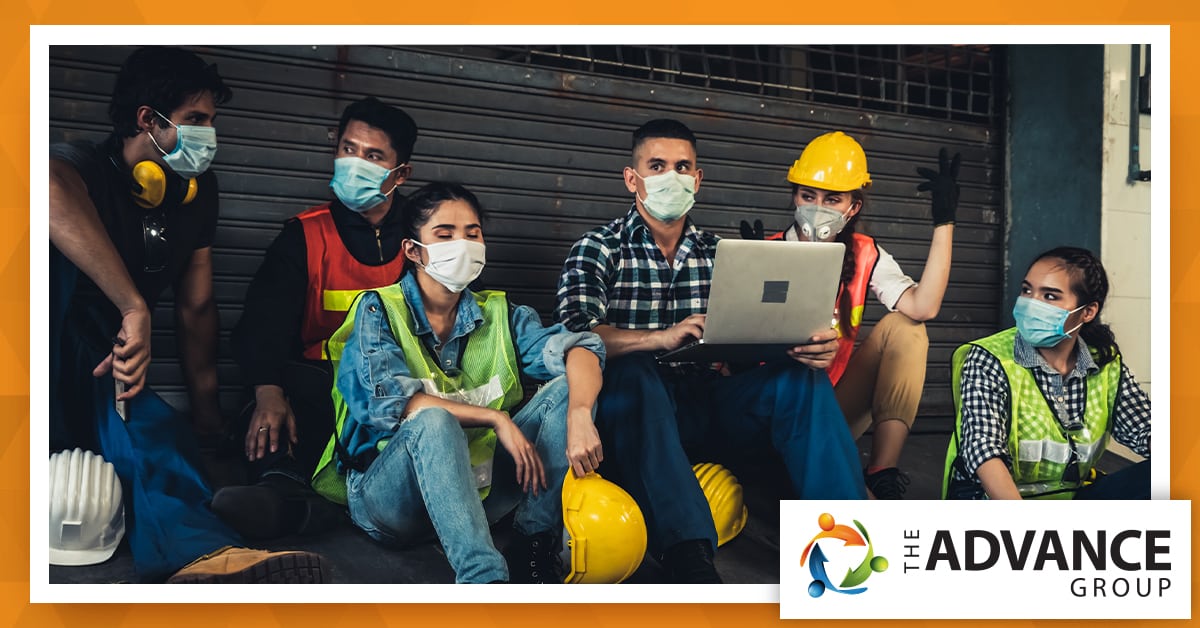
Healthy Ways to Cope with COVID Stress

The COVID-19 pandemic has been a stressful event. For many people, their life changed fundamentally, practically overnight. Additionally, job losses were widespread, schools suddenly closed, and it isn’t clear when “normal” will once again be achieved.

Finding ways to deal with the uptick in stress is a must. Otherwise, there can be short- and long-term health repercussions. If you want to know what you can do to cope, here are some healthy ways to deal with your stress during the pandemic.

Have a Plan in Case You Fall Ill

Sometimes, simply having a plan in place can provide a degree of relief. This can include having medications available to lessen your symptoms, knowing how to reach a medical professional, or being able to quickly self-isolate to protect loved ones. It may give you a sense of control. Plus, be able to take action fast if you do get sick.

Practice Self-Care

Making time to unwind and practice self-care is a must. It will give you opportunities to relax and make sure your body and mind are being looked after.

Whether this involves a short daily meditation, making time for bubble baths, or anything else will depend on your needs and preferences. However, everyone should do their best to make time for quality sleep, as that is often the foundation of improved well-being.

Focus on Exercise and Nutrition

Eating right and getting enough exercise is critical for maintaining health. While it may be tempting to let this fall by the wayside during a pandemic, resist the urge. Well-balanced nutrition and physical activity help your body stay at its best, ensuring it has what it needs to thrive.

Disconnect from the News

Today, people are being bombarded with bad news. Whether it’s reporting on television or articles (or opinions) being shared on social media, repeatedly hearing that the situation is bad can be hard to bear.

If you find yourself struggling with all of the negative information, consider taking a break from television, social media, or websites that share news or opinions about the pandemic. While you don’t want to disconnect to the degree that you don’t know when rules or laws change and aren’t adequately informed about emergencies, taking a step back can be healthy.

Stay Connected to Loved Ones

Thanks to technology, staying in touch with loved ones is easier than ever before. By reaching out and having conversations with friends, family, and community members, you can limit feelings of isolation that many people are battling due to social distancing requirements and stay at home orders.

Video calls are particularly beneficial, as they allow you to hear and see the person to whom you’re speaking. However, any contact is better than none, so explore every option available and make use of them regularly.

If you’d like to learn more about how you can manage your physical, mental, and emotional well-being during the pandemic, the team at The Advance Group can help. Contact us today and see how our stress management expertise can benefit you.




Improve Internal Communication with These Tips

Internal communication is more critical now than ever. Many professionals are working remotely, a paradigm that can make disseminating information challenging and may limit opportunities for connecting. Luckily, by taking the right steps, internal communication can occur unimpeded. If you don’t know where to begin, here are some tips that can help you improve.

Be a Top Communicator

Many employees take their cues from company leaders. If their manager isn’t communicative, they may feel that reaching out is unnecessary or, in a worst-case scenario, discouraged. This can hinder the sharing of information, creating a culture where silos and secretiveness end up thriving.

However, if you step up and become a top communicator, you’re showcasing its importance. Other employees may be more likely to engage with each other as they understand that reaching out and sharing is the norm, not the exception.

When new details become available, disseminate the information quickly. Let your team know that they can ask questions or express their thoughts, encouraging the start of a dialog. In a relatively short amount of time, everyone will become more open to being communicative.

Use a Multi-Channel Approach

Critical information shouldn’t be shared through email alone. While email can be a great way to reach your entire workforce, the platform is regretfully flawed. New messages that come in push older ones down the list. As a result, an important update can incidentally get buried, which is less than ideal.

While you shouldn’t abandon email entirely, it’s wise to incorporate a multi-channel approach. Embrace collaboration software with messaging capabilities, use text messaging solutions, and pin critical updates on your internal website’s homepage. You may even want to make use of social media, such as by creating a closed Facebook group or something similar for sharing and discussing information. This increases the odds that your message will be seen promptly.

Focus on Timely, Constructive Feedback

Feedback is a powerful tool, mainly when employees aren’t working in an office together. Without it, your team may not know whether they are on target or if there is an issue they need to address, allowing problems to linger longer.

Ideally, managers should make regular feedback part of the paradigm. Make sure to reach out regularly to let employees know how they are doing, even when everything is going fine. This creates opportunities for conversation and shows that you are engaged in their performance.

If something isn’t right, speak up quickly. That way, the issue can be addressed before it has a chance to worsen, shortening correction times.

Additionally, request feedback from your team. Ask if there’s anything you can do to better meet their needs, giving them a chance to air their thoughts and get help if it’s needed.

Ultimately, by following the tips above, you can improve internal communication at your company. If you’d like to know more about how to enhance your operations, the staff at The Advance Group can help. Contact us to speak with a member of our highly skilled team today and see how our workplace communication expertise can benefit you.


Is COVID-19 Affecting Some Workers More Than Others?

The COVID-19 pandemic has affected everyone, at least to some degree. Whether it’s adapting to stay-at-home orders, being part of a coronavirus layoff, or adjusting the children suddenly being home when school was canceled, nearly everyone felt an impact.

However, it’s possible that not all workers are being affected equally. If you are wondering how here’s what you need to know.

Age and the Risk of Severe Illness

Generally speaking, older adults are at higher risk of developing severe illness than younger people. They could have higher chances of requiring hospitalization or a ventilator and could be more likely to end up in intensive care.

Adults over the age of 65 make up about 80 percent of the COVID-19-related deaths, an indication that their illness was more severe than their younger counterparts. At times, this may be due to their bodies having a harder time fighting off the virus. However, underlying health conditions can also play a role, and older adults are more likely to have one.

In some cases, this means that older workers are at higher risk of catching COVID-19 should it make its way into their workplace. Additionally, their chances of getting extremely ill are higher. As a result, if they do get sick, they may be away from the workplace longer, as it could take them more time to recover.

Finally, if hospitalizations are required, older workers may be feeling more of a financial burden. Even if they have sick leave and insurance, the cost of treatment can add up quickly. This could lead some older adults to have to shoulder a significant financial burden for some time as they work toward repayment. At times, that may impact their career or retirement choices moving forward.

Protecting Yourself From COVID-19 at Work

Regardless of your age, it’s wise to take precautions if you are working during the COVID-19 pandemic. If telecommuting options are available, they may be your best choice. By working from home, you don’t have to commute, spend as much time on public transportation, or otherwise interact with others in-person, reducing your odds of being exposed.

If you do have to report to your workplace, focus on limiting your exposure. Follow social distancing principles whenever possible, and wear a face mask. Wash your hands regularly using soap or turn to hand sanitizer if that isn’t an option. Clean surfaces frequently, especially those that many people touch during the day.

Finally, if you believe you may have been exposed, monitor your health and consider getting tested. Additionally, let your employer know immediately and self-isolate as much as possible.

Ultimately, COVID-19 is potentially dangerous to everyone, particularly older workers. It’s critical that you take care of yourself and exercise caution during these unprecedented times, allowing you to limit your odds of infection and slow the spread of the virus.

If you’d like to learn more about navigating the pandemic, the staff at The Advance Group can help. Contact us today.


What Types of PPE Do You Need for Your Workplace?

Personal protective equipment (PPE) ensures that your employees are as safe as possible when they perform potentially dangerous tasks. Often, it limits their exposure to hazards or mitigates the impact of an accident, reducing the worker’s odds of injury, illness, or even death.

Determining which kind of PPE your workplace needs is often a relatively simple process. At times, it’s dictated by regulations for your industry. In others, the presence of specific occupational hazards is the main point of consideration.

If you are wondering what types of PPE your workplace needs, here’s a look at the six main categories and when they may be necessary.

Face and Eye Protection

Face and eye PPE shield an employee from hazards like splashed chemicals and flying debris. Usually, they are physical barriers that align with the risks present. The most common forms of face and eye protection include goggles, glasses, and face shields.

PPE for Hands

Generally, hand protection comes in the form of gloves. Different materials protect the hands for different kinds of hazards, such as sharp objects, chemicals, biohazards, heat, cold, and more.

However, some hand PPE focuses more on grip quality. These allow certain materials to be held and stabilized with greater ease, reducing the risk of dropping the item or the hand slipping while manipulating, handling, carrying, or using an objective.

Body Protection

Body protection is also selected to shield workers from certain kinds of threats, such as heat, cold, sharp objects, chemical splashes, and more. It can include coveralls, aprons, smocks, or any other clothing item with special features.

PPE for Noise Levels

Loud noises can permanently damage a person’s hearing. PPE for noise levels reduces the sound that makes it to a person’s eardrum, reducing the risk of harm. Earplugs and earmuffs are the two most common forms of hearing protective devices (HPDs).

Respiratory Protection

Many workplaces have substances that are harmful if inhaled. This can include particles or chemicals, depending on the environment. Most respiratory protection comes in the form of a mask, the exact nature of which can vary depending on the threat present.

PPE for Foot Protection

Foot protection can address a range of hazards, though most versions take a similar form, usually a boot or shoe. Some are material-focused, such as requiring rubber boots for electrical safety or non-slip soles for slick surfaces.

Steel-toed boots are a common requirement. The reinforced toe would reduce the odds of injury if an item were dropped onto the foot. Another frequently mandatory version is puncture-resistant footwear, which is typically required if sharp objects may be on the floor.

Ultimately, PPE is critical for any potentially hazardous environment. Making it available doesn’t just ensure your employees remain safe; it may be required by law. If you’d like to know more about PPE in the workplace, the staff at The Advance Group can help. Contact us today and see how our workplace safety knowledge can benefit you.


How to Make Your Temporary Employees Feel Like Part of the “Big Picture”

When you want your team to flourish, engagement is critical. While many companies go above and beyond to ensure their permanent staff is motivated to succeed, that level of attention isn’t always paid to temporary employees. As a result, your contingent workforce might not feel like a part of the “big picture,” and that can be discouraging.

Luckily, that’s a situation you can remedy. By taking the right steps, you can enhance engagement, ensuring your temporary workers feel connected and valued. If you don’t know where to begin, here are some tips that can help.

Connect the Work to the Company’s Goals

Nearly any task is more meaningful if the employee believes it is making a difference. If you want to make sure your temporary workers are motivated to exceed expectations, then make it clear how their efforts impact and advance the company’s goals.

Now, the objectives must be more meaningful than merely improving profitability. Instead, your contingent workforce needs to be able to see how their work helps customers, their community, and other groups they value. That way, they feel like their job is about more than handling a task, connecting them to the bigger picture.

Integrate Short-Term Hires with Permanent Employees

It isn’t uncommon for temporary employees to be somewhat separate from permanent staff members. At times, this is intentional, though it can also be incidental. After all, long-term team members have a connection, one that may have taken time to forge. Contingent workers are effectively newcomers who won’t be around permanently, and that may create a situation where permanent employees forgo reaching out.

However, by integrating your short-term hires with your long-term staff, engagement and productivity can rise. Usually, the best way to accomplish this goal is to ensure every employee works closely with members of the other group. This can help them get to know one another, allowing them to craft relationships.

Involve Temporary Employees in Team Meetings and Events

When temporary employees aren’t involved in team meetings or group events, they feel separated from the company. This isn’t ideal if you want them to be at their best, as it makes them wonder if they aren’t valued or viewed as assets. Plus, it may prevent them from seeing how they fit into the organization as a whole.

Ideally, you want to involve your contingent workforce in group events and meetings. Whether it’s a team lunch or a progress update, give them a chance to be involved. That can help strengthen relationships, promote a better dynamic, and enhance your company’s culture.

Ultimately, all of the tips above can help you make sure your temporary employees feel like part of the big picture. If you’d like to find out more about how you can set your short-term hires up for success, the skilled team at The Advance Group can help. Contact us today and see how our engagement expertise can benefit you.
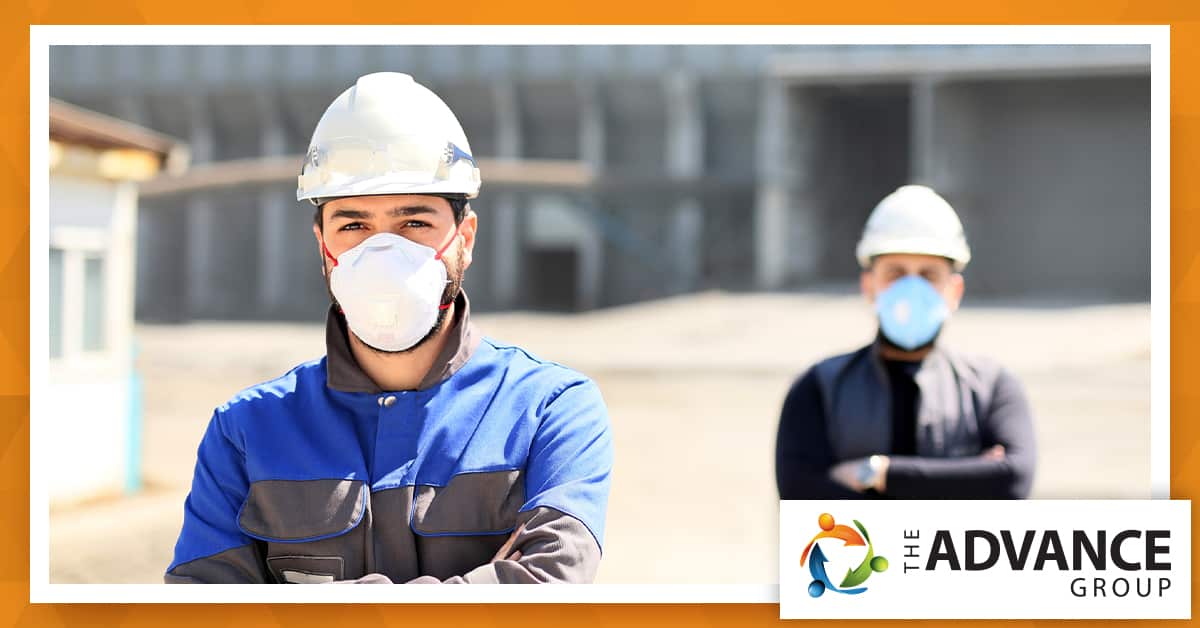


Is It Time to Consider Untapped Candidate Pools?

The hiring landscape is challenging. Many companies struggle to find the top talent they need, mainly if it involves an in-demand skill that’s in short supply.

Usually, turning to your typical candidate pool isn’t the way to go. If it didn’t generate great results last time, there’s a decent chance it doesn’t connect with the right professionals. As a result, it may be time to look in a different direction: untapped talent pools.

If you haven’t used a candidate pool recently, you could be missing out on highly skilled professionals. After all, not every job seeker relies on the same resources. By not exploring multiple options, you aren’t going to reach as many as you otherwise could. If you don’t know where to begin, here are some options that may work for you.

Experienced Freelancers, Long-Term Temps, and Gig Workers

Many companies assume that experienced freelancers, long-term temps, and gig workers aren’t open to opportunities with their company, especially permanent jobs. However, that isn’t always the case. Some of them are undoubtedly willing to sign on with an employer, especially if they can provide similar perks they are used to experiencing, like flexible schedules and exciting projects.

Additionally, this talent pool can be an exceptional resource when you need a short-term hire. Many of these professionals adapt to new environments quickly. Plus, their skillsets can be incredibly robust, making them ideal members of a contingent workforce.

Former Employees, Interns, and Temporary Workers

Unless your company has a strict policy against rehiring, then this could be a great talent pool to tap. Your former employees, interns, and temporary workers are already familiar with your organization, increasing the odds they can hit the ground running. Plus, you know a bit about what they bring to the table, and that may let you accelerate the screening process.

Don’t just focus on past employees, interns, and temps who worked in that specific kind of position. Instead, explore their full skillsets to see if they may fit in other niches. Additionally, if they haven’t worked with you recently, look them up on LinkedIn to see where things stand today. You won’t know where their career took them until you do.

Local Staffing Agencies

Recruitment firms maintain large networks of highly skilled professionals, including coveted passive job seekers who are holding out for the right opportunity. By partnering with a local staffing agency, you can access a talent pool that may otherwise be inaccessible.

Plus, these recruitment specialists are highly skilled at finding exceptional talent based on your needs. That means, if their talent pool doesn’t have your ideal candidate, they’ll know where to look to secure the right job seekers for your open position.

If you are having trouble finding skilled candidates in your talent pool, the team at The Advance Group can help. Contact us to discuss your vacancy with one of our recruiters today and see how our services can benefit you.


Continuing Employee Education Is a Simple Perk You Need to Offer

Many companies struggle to justify continuing education for their employees, causing them not to offer the opportunity. As a line item, it doesn’t appear to positively impact revenue, leading many businesses to underestimate the value of this kind of training. That can be a severe mistake.

Continuing employee education is incredibly beneficial, both to the workers and the company. If you are wondering why you should offer this perk, here’s what you need to know.

Productivity and Efficiency Boosts

With a continuing education program, you create an opportunity. By making the right training accessible, you can close skill gaps and enhance the capabilities of any team. As staff members become more adept at handling their work, they typically finish tasks faster, create better quality outputs, or both. Not only does productivity rise, but so does overall efficiency.

Employee Retention Increases

Most professionals have goals beyond their current role. They want to keep growing and learning, as well as advancing up the ladder. Development is one of their core priorities. If you don’t offer opportunities to learn, then your best and brightest will start looking for positions elsewhere.

When you provide access to continuing employee education, you aren’t just making sure your team has a chance to enhance their capabilities. You also demonstrate that the company is willing to invest in them and their desire to achieve their goals. This can make the work more meaningful and rewarding while also boosting the company’s culture.

Essentially, you are taking active steps that set employees up for long-term success, and that’s something your team will appreciate. As a result, top talent is more likely to remain on staff, leading to a reduction in turnover.

Cross-Training for Coverage

Many workplaces struggle when key employees are unexpectedly absent. If you don’t have a backup person for specific responsibilities, work grinds to a halt if one person doesn’t make it.

By offering continuing education, you can cross-train employees, effectively creating your coverage. That way, if a team member is unexpectedly absent, another worker can step in and handle any duties they’d usually manage.

Cost Reductions

Investing in employee training can lead to cost reductions. For example, when your team is highly skilled, they typically make fewer mistakes. The need to redo work diminishes greatly, creating a cost-benefit.

Similarly, a more capable team can handle more than one that isn’t as adept. You can get more done without bringing in additional workers, creating an opportunity to reduce your personnel-related costs.

When turnover improves, you can also spend less on recruitment and hiring. Plus, you don’t suffer productivity losses associated with being short-handed, even creating a net gain.

Ultimately, continuing employee education is a smart perk to offer. If you’d like to learn more about how it can benefit your company and team, the staff at The Advance Group can help. Contact us today and see how our workforce development expertise can benefit you.



Background Checks Have Changed in 2020: What’s New?

The background check landscaping is changing. Many states and cities are creating new rules regarding what employers can and can’t do. Failing to follow the laws typically comes with some pretty severe consequences, both legally and financially. As a result, it’s critical to keep an eye on what’s new when it comes to background checks, allowing you to ensure you handle things properly.

But staying aware of changes can be complicated. After all, not all cities, counties, and states are following the same rules. However, by remaining vigilant overall, you can be ready for tightening restrictions. If you want to know what’s changed with background checks in 2020, here’s what you need to know.

Ban-the-Box Gets Greater Traction

At least 35 states have some form of fair-hiring law, many of which apply to public and private employers. Plus, many counties and cities have also taken action, covering the topic even if their state hasn’t. Ban-the-box, a movement aimed at preventing employers from asking about a person’s criminal history on an application, has been gaining a significant amount of traction throughout the country.

The goal behind ban-the-box is to make opportunities more accessible to individuals with criminal records. Usually, the premise is that companies may be more open to these candidates after reviewing their resumes or conducting interviews. Plus, it prevents employers from having a method for tossing these applications aside based on a single ticked box.

Ban-the-box laws vary dramatically from one jurisdiction to the next. As a result, companies need to review rules in their area, including at the state, county, and city levels. That way, you can ensure you are complying with local legislation.

Additionally, even if ban-the-box laws aren’t in place in your area, removing the question from your application now could still be wise. These laws are increasingly common, so taking action now means you’ll be ahead of the curve.

Social Media Checks Increasingly Common

Many employers aren’t just using social media to promote their business; they are also using it to screen applicants. Usually, the goal is to look for red flags indicative of questionable behaviors, such as bad-mouthing former employers, making biased statements about others, or using illegal substances.

However, this landscape is increasingly complex legally. When you review a social media profile as part of a background check, you could be learning about a candidate’s affiliation with protected status. This creates liability issues as making hiring decisions based on details like gender, race, religious affiliation, age, disabilities, or sexual orientation isn’t legal.

As a result, background check companies are increasingly offering social media searches as part of their product landscape. With these options, status-oriented details are scrubbed from any reports, ensuring the employer doesn’t inadvertently learn about them. This reduces the likelihood of an FCRA or EEOC violation.

Contingent Worker Screening Takes Center Stage

As the gig economy grew, so did the scandals. Many companies that hire freelancers, contractors, or gig workers chose not to run background checks. However, some companies are now paying the price for not taking that step. For example, lawsuits against ridesharing companies that alleged the businesses failed to take care of their customers by skipping the checks are increasingly common.

Companies are now re-examining their practices when it comes to contractors and contingent workers. It’s a way of protecting themselves and their customers, making the exercise more widespread.

At The Advance Group, we understand companies’ concerns. That’s why we screen our candidates to ensure they meet your need and adhere to your company’s standards. If you’d like to learn more about our processes, the team at The Advance Group wants to hear from you. Contact us today.


What Are Job Seekers Looking for in an Employer? (And Do You Have It?)

Securing the best and brightest talent can be a challenge. Often, employers focus on their needs above all else, putting a significant amount of effort into finding and retaining professionals who can help them excel.

The issue is, if your company doesn’t have a strong enough employer value proposition, keeping your top performers on board is difficult. Similarly, if you don’t showcase what you have to offer employees, your recruitment efforts may fall short.

Ultimately, job seekers have needs, and they favor employers who will meet them. If you want to make sure you can entice the best candidates to apply and keep them for the long-term, here’s a look at what you need to offer.

Clear Career Paths

Most professionals have career goals beyond their current (or even their next) position. As a result, they favor employers who can help them move forward at a solid pace.

If your company doesn’t have clear career paths, you’ll struggle to land top talent. Merely saying that you promote from within or that a position comes with advancement potential isn’t enough. Instead, you need well-defined frameworks that outline each career progression step, ideally with accompanying average timelines. That way, job seekers know precisely how they can rise through the ranks.

Robust Training Options

Similarly, top performers prefer employers that have robust training programs. Most professionals enjoy exploring new territory and expanding their skill set. Without formalized approaches available, some candidates may fear that they won’t have access to professional development if they choose to work for you.

To entice job seekers, provide details about all available training programs. This can include traditional educational options as well as more organic methods, like mentorships.

Strong Core Benefits Plans

Neglecting your core benefits package is a surefire way to miss out on top talent. Your medical, dental, vision, and prescription plan needs to be comprehensive, and your retirement plan needs to be stable. Having a generous vacation and sick leave policies is also critical.

The Right Perks

You can’t balance out a weaker core benefits package with perks, so don’t assume that free breakfast will make up for a subpar medical plan. However, if you want to add perks to make your offering stronger, focus on areas that’ll make the most significant impact.

For example, tuition reimbursement or student loan repayment assistance can be incredibly valuable to many job seekers. The ability to do volunteer work on company time can also be enticing.

If you add perks, make sure to include a range that will appeal to different candidates. Not all professionals have the same needs, so offering a variety ensures that there’s something for everyone.

Ultimately, everything listed above can be desirable in the eyes of job seekers. If you’d like to learn more about how to locate and secure top talent for your open positions, the staff at The Advance Group can help. Contact us today and see how our recruitment and retention expertise can benefit you.


Need Candidates NOW? The Advance Group Has Them!

Many companies struggle to find the exceptional candidates they need to fill their open positions. The recruitment process can be time-consuming and surprisingly costly. Plus, if you are overburdened with your regular duties, handling hiring becomes a challenge.

But, if you need great candidates now, you can’t afford to wait. Luckily, there is a better way. If you need to find amazing professionals for your vacant positions fast, The Advance Group can make it happen. Here’s how.

Robust Talent Pools

The Advance Group is diligent about maintaining its talent pools. Our recruiters focus on the candidate experience and remain in contact with skilled professionals with competitive skill sets. By enhancing engagement, in-demand candidates remain connected.

Our recruitment processes are also on-going. We work continuously to develop our talent pools, consistently recruiting professionals in a range of sectors, and ensuring we have strong contenders for many hard-to-fill positions.

Additionally, The Advance Group prides itself in networking with a coveted group of professionals: passive candidates. By keeping the connections secure, our recruiters ensure we have the reach necessary to locate difficult-to-find candidates whenever the need arises.

Pre-screened Candidates

A robust talent pool can only help our clients if the candidates are of the highest possible quality. At The Advance Group, pre-screening is a priority. Our recruiters use a process that is designed to be incredibly thorough.

Along with reviewing candidate skill sets, experience, and professional background, we go the extra mile to confirm their capabilities. Additionally, our recruiters get to know the job seekers’ personalities. That way, we can determine which candidates fit into what company cultures, increasing the odds that any given match will be a success.

Flexible Hiring Arrangements

Whether your company’s hiring needs are short- or long-term, The Advance Group has an approach that will meet your needs. If you are looking for temporary workers to help during peak season, cover employee absences, or assist with a particular project, we have candidates who are looking for those opportunities. We can place a job seeker quickly, allowing you to ramp up or achieve the coverage you need as soon as possible.

If you are looking for a long-term employee, we have two options available. With the temp-to-hire program, you can choose a candidate and then evaluate them while they work in the role. Mostly, you can conduct a working interview, only extending a permanent job offer when you know it’s a match.

However, if your ideal candidate is available, you have the option to bring them onto your payroll immediately. Our direct hire program is perfect for companies seeking full-time, permanent team members with strong skill sets.

Ultimately, if you need candidates now, The Advance Group has you covered. We can locate the talent you need quickly and efficiently, ensuring you get the high-quality new hire your company needs to thrive. If you’d like to learn more about our recruitment and hiring programs, the team at The Advance Group wants to hear from you. Contact us today and see how our services can alleviate your hiring woes.


3 Benefits to Upskilling Your Workforce

If a company wants to stay competitive in today’s ever-changing business landscape, they need to make sure that their employees are highly capable. Since the workplace changes rapidly, having the right skills available is essential if an organization wants to thrive.

When a workforce is lacking specific capabilities, many companies assume they need to look for outside candidates to handle the shortcomings. However, upskilling is nearly always a better approach. If you are wondering why you would upskill your workforce, here are three benefits you’ll experience if you do.

1. Fill Skill Gaps

Today, the workplace changes with surprising speed. New technologies continue to make their way into new industries, and companies need to be able to leverage them if they are going to stay ahead.

However, these constant shifts create challenges. Often, businesses need employees with specific skills if they are going to make the most of advances. And it isn’t uncommon for these professionals to be incredibly hard to find.

By focusing on upskilling, a company can concentrate on existing skill gaps. The approach allows the organization to enhance skillsets in critical areas, ensuring they can utilize new technologies and improve operations.

Plus, it gives businesses a chance to be ready for what tomorrow brings. By monitoring trends and upskilling employees accordingly, companies can stay ahead of the curve and, ultimately, the competition.

Primarily, through training, organizations can cultivate their ideal workforce. It lets them mold the teams they need, ensuring they always have proper coverage and robust capabilities.

2. Retention

In most cases, top performers prefer employers who will help them learn and grow. By offering upskilling opportunities, you are addressing that desire, proving pathways for development in highly relevant areas.

Plus, training creates healthy challenges that boost engagement. In turn, morale can improve. When taken all together, upskilling turns into a retention powerhouse, giving your best and brightest a more substantial reason to stay on board long-term.

3. Cost-Savings

By and large, it is cheaper to upskill your workforce than to recruit to fill skill gaps continually. The ROI for training is incredibly strong, especially if you focus on areas that can enhance productivity, streamline processes, or reduce waste.

Additionally, since it enhances retention, companies also limit turnover. This means not having to recruit replacements as often, reducing the need to advertise positions, spend time screening candidates, or offering bonuses to entice skilled professionals.

Ultimately, upskilling your workforce is a good idea. It lets you create and keep a workforce that is better equipped to meet your needs. Plus, it boosts morale and makes a job more satisfying. In the end, that can boost performance, leading to higher productivity and better outputs.

If you would like to learn more about how you can craft your perfect workforce, the skilled team at The Advance Group wants to hear from you. Contact us to speak with one of our recruitment and retention specialists today and see how our employee training expertise can benefit you.


The Labor Market Is Tightening. Here’s How to Still Land the Best Talent

The unemployment rate in the United States has been shockingly low for a long time. For more than a year, it has remained below 4 percent, and it’s been more than three years since it crossed 5 percent. As a result, it’s is incredibly challenging for companies to find the talent they need. To make the situation more daunting, the labor market is continuing to tighten.

However, even if that being the case, that doesn’t mean companies can’t land great candidates. If you want to remain competitive during periods of low unemployment, here’s what you need to do.

Offer More Than Your Competitors

While most businesses don’t want to spend more money than they have to, a tightening labor market could be substantial justification for upping the ante. If you can bring more to the table than your competitors, you’ll be a more attractive employer; it is that simple.

Along with offering higher wages, try augmenting your benefits package. More paid time off, flexible work schedules, telecommuting programs, tuition reimbursement, student loan assistance, and similar options can all entice top talent. Add or enhance whatever may speak to your ideal job seeker, as it may make the difference between them choosing your company or a competitor.

Shrink Your Must-Have List

When you release a job ad, make sure the must-have list is as short as possible. If you have too many requirements, you could be screening out great candidates incidentally.

Many professionals won’t apply if they don’t have the majority of what you say is necessary, and some won’t apply unless they are a 100 percent match. By paring down your list, you are opening yourself up to receive more resumes, and you might find a job seeker with a slew of potential you would have missed otherwise.

Look at Your Second-Place Finishers

If you’ve filled a similar role in the past, you might already have details about an exceptional candidate. Job seekers who came in second-place (or even third or fourth) could be worth contacting.

Your past applicants are a great talent pool. Not only did many of them have the skills you need and made a good impression, but they’ve actively expressed an interest in your company. By reinitiating contact and inviting them to apply, you keep them engaged and could fit a great fit.

Craft a Winning Candidate Experience

When it comes to standing out from the crowd, having an excellent candidate experience works. If you treat every job seeker with respect and appreciation, communicate regularly, provide clear timelines, focus on personalization, and make the engagement a priority, you’re enhancing your employer brand. This can make you an employer of choice, increasing the odds that you can snag top talent even when the labor market is tight.

Ultimately, all of the tips above are worth using, especially during periods of low unemployment. If you’d like to learn more about recruiting the best and brightest, the staff at The Advance Group can help. Contact us today and see how our recruitment expertise can benefit you.



Lorem ipsum dolor sit amet, consectetur adipiscing elit. Ut elit tellus, luctus nec ullamcorper mattis, pulvinar dapibus leo.

Stacey Bigelow

CEO