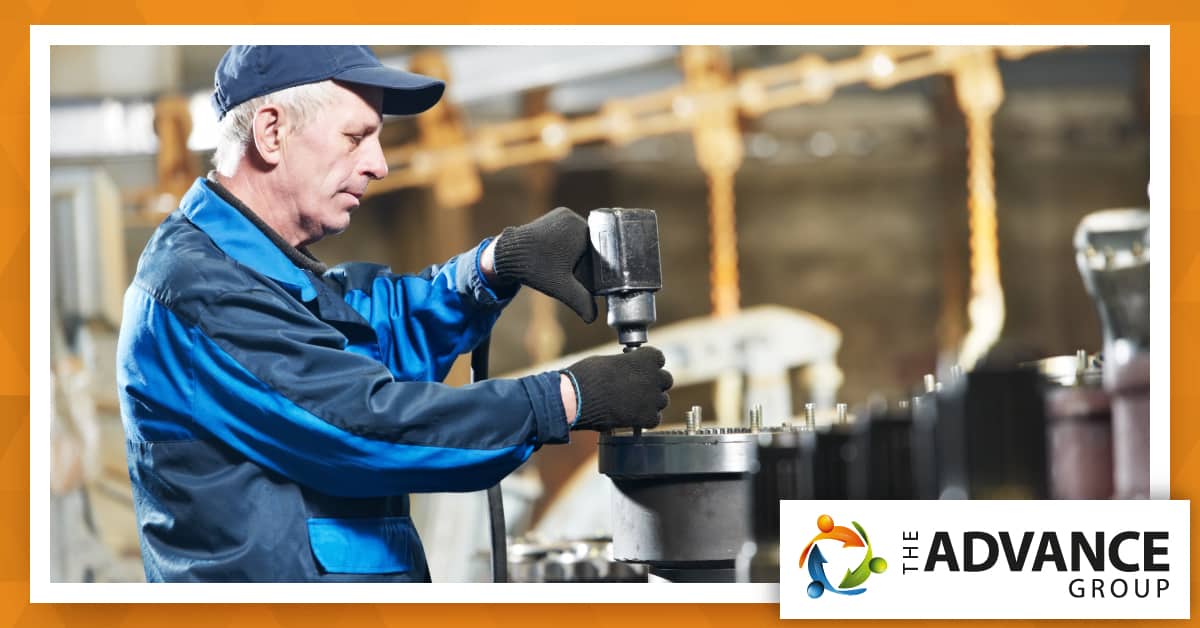
What Is a Day in the Life of an Assembler Like?

Many professionals find assembly positions incredibly rewarding. It’s the kind of job where you can see real-world results each and every day. Your efforts translate into something tangible, giving you visual proof about how hard you’ve worked.

While the job title gives a strong indication about the tasks assemblers handle, many who haven’t worked in these roles only have a basic idea of the duties. If you have ever wondered what a day in the life of an assembler is like, here’s what you need to know.

What Does an Assembler Do

In the simplest terms, assemblers spend their shifts putting things together. This can include combining a few specific components or entirely constructing an item, depending on the workplace.

How an assembler puts the pieces together can also vary. At times, the work is done by hand. The process may be entirely manual or require the use of necessary tools. In other cases, an assembler may operate machinery that does the physical assembling. When a high degree of precision is needed, speed is of the essence, or the process is complicated, the machine-based approach is typically more common.

Typically, assembling parts and products is an assembler’s core responsibility. But they may have additional duties as well. For example, some assemblers may assist with packaging, order picking, inventory, and shipment preparation.

Regardless of the exact responsibilities, a day in the life of any assembler tends to be an active one. The environments tend to be fast-paced, and there are usually physical components to the work, which can make the roles particularly engaging.

Additionally, assemblers work in industrial environments. This usually involves a factory or manufacturing-style setting.

The Skills Every Assembler Needs

If you are interested in becoming an assembler, you’ll need specific skills to land a job. First, manual dexterity is typically a must, especially if you are putting pieces together by hand. The same goes for the ability to use hand tools.

Additionally, assemblers commonly need to know how to read blueprints or schematics. That way, they can make sure the product is put together correctly. It’s also critical that assemblers have necessary math skills, are strong communicators, and that they work well as part of a team.

Computer and machine operating experience can be handy in the world of assembly, especially in environments that rely on machines to do the actual assembling. At times, warehousing or packaging skills can also make you a stronger candidate, depending on the position.

On the physical end, both strength and stamina can be significant. The work can be incredibly active, so the ideal candidate will be able to maintain a quick pace throughout a full workday.

If you are interested in becoming an assembler or are looking for a new assembly job, the team at The Advance Group can help. Contact us to speak with one of our industrial recruiters today and see how our services can make finding your ideal opportunity easier than ever before.




The Blueprint to a Better Machinist Job Search

Managing a machinist job search isn’t easy. Often, it takes a lot of time and energy, even if you’re an exceptional candidate. But that doesn’t mean you can expedite your search. By taking the right steps, you can position yourself in the best light, increasing the odds that you’ll land an interview and ultimately secure a new job.

If you want to improve your machinist job search, here are some tips that can help.

Add a Professional Summary to Your Resume

The professional summary section is a relatively new resume standard. It’s positioned near the top of your resume, serving as an introduction to your capabilities.

A well-composed professional summary gives the hiring manager critical insights into what you bring to the table. Ideally, you want to cover a recent accomplishment and highlight a couple of must-have skills. That way, the hiring manager is enticed to read the rest of your resume, increasing the odds your application will get more than just a quick skim.

Highlight Relevant Skills Multiple Times

Most job descriptions include a list of must-have skills. Typically, those at the top are the most desirable in the eyes of the hiring manager. It’s wise to make sure you highlight those capabilities thoroughly, so you may want to include them more than once on your resume.

For example, referencing the top must-have skill in your professional summary and near the top of your work history can be a good idea. Alternatively, you can add a short skills list to your resume, positioning it just below your professional summary and above your work history. Then, you can tap on the skills again in your work history, showcasing how you applied them.

Quantify the Details for Extra Umph

When you write a resume, you generally want to discuss accomplishments instead of your duties. That approach is more meaningful to hiring managers, as it gives them insights into how you can apply your skills and the value you may deliver.

If you want those achievements to stand out, quantify the details whenever possible. When you do, you are providing valuable context. Plus, numbers stand out visually, increasing the odds that the hiring manager will give your resume a closer look.

Prepare Your Reference List Early

Nearly every company’s hiring process includes reference checks. Since it is virtually inevitable that the hiring manager is going to ask for a reference list, make sure yours is ready in advance. Speak with your references and get their permission to include them. Additionally, confirm their contact details to ensure you provide the right information. That way, when the hiring manager wants the list, you know it is entirely accurate.

Ultimately, all of the tips above can enhance your machinist job search. If you are looking for a new machinist position, the skilled team at The Advance Group can help. Contact us to speak with one of our talented recruiters today and see how our services and expertise can elevate your job search quickly and efficiently.


Never Call Yourself This…

As the coronavirus outbreak fundamentally altered the daily lives of people all across the globe, more than 17 million Americans found themselves without a job in a matter of weeks. For the vast majority, it’s was entirely unexpected. Additionally, the job loss had nothing to do with their capabilities or performance; it was merely a side effect of a mandatory business closure or dramatic dip in production.

Once this occurred, many professionals stopped referring to themselves by their last job title. Then, they took up a new mantle, unemployed.

While it may seem like referring to yourself as unemployed just means you are stating a fact, it’s technically something you should never call yourself. Here’s why.

“Unemployed” Isn’t Fair

While you might not be working currently, the term “unemployed” isn’t a fair reflection of your situation. For many, it carries a negative context, one that isn’t typically deserved. This is especially true since most of those who lost their positions weren’t fired, but laid off. If the coronavirus hadn’t altered the economy so drastically, they would still be working.

In reality, you are between jobs. Your current situation isn’t necessarily permanent or even long-term, so there’s no need to use a term that can come across as so definitive or dire. It also isn’t a reflection of what you bring to the table. Your performance wasn’t necessarily a factor.

Additionally, it’s essential to keep in mind that every job is essentially temporary. Right now, you are in a period of transition, and those are a normal part of being part of the workforce. Most people have several jobs throughout their careers, and even the occasional employment gap isn’t uncommon.

How to Move Forward

First and foremost, let go of the label. Don’t refer to yourself as “unemployed,” as that won’t help you to move forward. While it’s okay to acknowledge you are between jobs, be kind to yourself about the situation otherwise.

Next, launch your job search. Review your resume and make sure it’s up to date. Consider how you can use your skills in the current economy, and decide whether it’s wise to pivot into a new area. Most professionals have transferable skills that could allow them to shift into a different arena, including one that can move forward even when people are under stay-at-home orders.

If you want to stay in your field in the end, but can’t work in it now, research temporary roles that may be a reasonable fit. That way, you can bring in some income in the interim and transition back to your preferred job when the opportunity arises.

Ultimately, you aren’t alone if you’ve recently lost your job. Keep your chin up and use the tips above to move forward. In the end, you’ll be glad you did.

If you’d like to find out more, the team at The Advance Group can help. Contact us to speak with one of our recruiters today and see how our expertise can make navigating these strange times as easy as possible.


Are You Applying for One of the Fastest-Growing Jobs? Find Out Here!

Over time, the employment landscape changes dramatically. Many of today’s in-demand professionals are in fields that didn’t exist just a decade or two back. The idea of specializing in artificial intelligence or machine learning would have been unheard of, for example. But, today, roles like that seem commonplace.

Specific niches are growing quickly. Professionals who work in those fields often have no trouble finding opportunities. If you are wondering what the fastest-growing jobs are right now, here’s what you need to know.

Fastest-Growing Jobs in the United States

Specific roles and fields are emerging as significant growth areas. Many of them are associated with technology, an industry where growth and change are predominately the norm, and new specialties come out regularly.

However, tech isn’t the only arena experiencing substantial growth. With that in mind, here’s a list of the top 15 emerging jobs:

  1. Artificial intelligence specialist
  2. Robotics engineer
  3. Data scientist
  4. Full-stack engineer
  5. Site reliability engineer
  6. Customer success specialist
  7. Sales development representative
  8. Data engineer
  9. Behavioral health technician
  10. Cybersecurity specialist
  11. Back-end developer
  12. Chief revenue officer
  13. Cloud engineer
  14. JavaScript developer
  15. Product owner

The Benefits of Working in an In-Demand Field

If you are applying for one of the fastest-growing jobs, you typically experience specific benefits. Often, these specialties are emerging. As a result, there usually isn’t enough talent to go around.

When demand outweighs supply, companies have to compete for the best and brightest. Those who have the right skills are often presented with incredibly strong job offers, featuring robust benefits packages and lucrative salaries. Additionally, perks may be used to sweeten the deal, including work-from-home options or flexible schedules.

Job seekers in those fields may also face less competition. This can make the search process less stressful and may even shorten it a bit. However, that doesn’t mean that candidates shouldn’t give their all when looking for a new opportunity. Just because there’s less competition doesn’t mean there is no competition, so it’s still important to try and stand out.

Working in an emerging field also comes with the added benefit of being at the forefront of a specialty. You may get an opportunity to shape the future of an industry or fundamentally alter a core paradigm. Not every professional will get that kind of chance, making it a unique bonus for choosing careers in some of those fields.

Ultimately, any of the specialties above could be a great career option. If you’d like to find out more about some of the fastest-growing jobs in the United States, including what it takes to land one and whether there are openings available, the team at The Advance Group wants to hear from you. Contact us to speak with one of our recruitment specialists today and see how our job trend expertise can benefit you.


Looking for Work Before You Graduate? We’ve Got You Covered!

Hiring made easy

We put great people and great companies together.

Search Jobs

Explore our top job opportunities!

Job Seekers

Looking for new opportunities, better pay, or more flexibility in your schedule? At XYZ Staffing, we put talented people to work at many of the area’s leading employers.

Types of people we place

clerical

Collaboratively administrate empowered markets via plug-and-play networks.

Engineering

Completely synergize resource sucking relationships via premier niche markets.

Accounting

Dramatically visualize customer directed convergence without revolutionary ROI.

Administrative

Completely synergize resource sucking relationships via premier niche markets.

Technology

Dramatically visualize customer directed convergence without revolutionary ROI.

Manufacturing

Collaboratively administrate empowered markets via plug-and-play networks.

Employers

Better talent. Faster Hires.

When you need to hire, whether it’s for a temporary opening or a full-time addition to your team, you want the right candidate, fast.

At XYZ Staffing, we provide the people you need, when you need them.

Want to Make a Good Impression at Your New Job? Start Here!

When you start a new job, making a great first impression is critical. You’ll be setting the tone, giving your manager indications of what they can expect now that you’re working in the role.

While you may assume that asking questions would work against you, that isn’t necessarily the case. Some can help you solidify yourself as a skilled, considerate professional, ensuring you begin your time with the company on your new boss’s right side.

If you want to boost your reputation, here are some thoughtful questions that are worth asking your manager whenever you start a new job.

How Are You Today?

This is technically a question you should ask regularly. Many managers feel unseen or underappreciated, or that the fact that they may be stressed doesn’t matter to those around them. By inquiring about how your boss is doing, you are making them feel seen. Plus, it can lead to a dialog that may allow you to discover new details about your role, the company, and other opportunities to get involved.

Just make sure you don’t expect your boss to divulge a ton of details immediately. Initially, your goal should simply be to use this question as a rapport-builder. It’s a polite thing to ask, so make sure you do so regularly.

What Goals Do You Have for My First Week/Month/Year?

If you want to be a top performer, you need to exceed expectations. But that’s incredibly tricky to do if you don’t know the goals your manager has set for your position.

By asking them to outline their objectives, you can learn more about their expectations and priorities. Additionally, you’ll have a chance to ask clarifying questions to ensure you understand their goals and learn about the next steps you can take to shine. Along the way, you’ll also make the impression that you’re a forward-thinker who wants to hit the ground running, and that can work in your favor.

What is Your Preferred Communication Method?

Often, communication is critical if you want to avoid workplace conflicts. By asking your manager how they prefer to communicate, you can learn about the mechanisms they use most and least. Further, it gives you a chance to avoid missteps, like assuming they have an open-door policy when they don’t.

Along with asking for a general preference, see if they favor another approach in different scenarios. For example, would they rather hear about an emergency in person? Do they like their employees to send calendar requests for more extended conversations or touch base before reaching out to schedule?

Essentially, this is an opportunity to get on the same page as your manager. You’ll know what approaches they prefer, giving you a chance to use them and support better communication.

Ultimately, each of the questions above can help you make a good impression at your new job. If you’d like to learn more about how you can shine from day one, the team at The Advance Group can help. Contact us today and see how our expertise can benefit you.


Now Is a Great Time to Start a Career in Robotic Welding!

Robots are a critical part of many production environments. They are touted as a revolution in the manufacturing industry, improving operational efficiency and reducing costs.

While some fear that robots are taking jobs away from hardworking people, that typically isn’t the case. Instead, these high-tech machines can spur job creation, as employees are needed to build and maintain the equipment, as well as operate it.

One job that has arisen over the years is the robotic welder operator. If you are curious about what a career in robotic welding involves, here’s what you need to know about these exciting opportunities.

What Robotic Welding Is

With robotic welding, machines assist in the production process by holding metal parts in place and completing various kinds of welds. It’s a semi- or fully-automated procedure, usually involving spot welding and arc welding.

In most cases, computers control the welding systems. However, these are not entirely autonomous machines. Employees are needed to program the computers and handle other tasks.

The Robotic Welder Operator Role

The most critical part of the robotic welder operator job is the programming of the computers that control the welding machinery. They input parameters based on the product’s or part’s needed specifications, ensuring the robot can weld various pieces together correctly.

Along with the machine operating skills, most people working in these positions also need to be skilled welders. At times, welds may need to be done by hand, so having welding experience is critical.

Robotic welder operators also need to be able to read blueprints and schematics, perform a variety of calculations, and use a computer interface. Additionally, attention-to-detail is a must, both for ensuring mistakes are not made and for checking the quality of the welds once they are finished. Other duties may include using precision measuring instruments, performing machine maintenance, and keeping the robotic welder supplied.

How to Become a Robotic Welder Operator

Most professional robotic welder operators have formal training. Along with coursework in welding, they may have taken machine operation classes as well. In many cases, employers prefer candidates who have completed a related vocational training program. However, it may be possible to transition into these roles after working in similar positions.

Having a welding certification can be a great way to separate yourself from other candidates. Not only does it show that you know how to complete the welds manually, but also that you understand what a high-quality weld is and how the outcome should look. This can be critical for quality-control aspects of the job.

It is anticipated that demand for robotic welder operators will grow over the coming years, particularly as more companies look for opportunities to automate portions of their production processes. Are you looking for a robotics welding career? If so, the team at The Advance Group can help. Contact us today to learn more about exciting opportunities in the robotics welding field and see how our services can help you get your career off on the right foot.


What Does a Machine Operator Actually Do?

If you’re looking for an industrial job, you may have stumbled across listings for machine operators. For many, the job title itself is intriguing. However, it also isn’t uncommon to not know precisely what these roles involve.

By learning more about what machine operators do, you can figure out if it’s a career direction you want to explore. With that in mind, here is an overview that can help bring some clarity to the situation.

Machine Operator Core Duties

Machine operators – which may also be called tool and die, makers, fabricators, machinists, or several other titles – work with certain types of heavy equipment, usually in a production setting. This can include mechanically-operated machines as well as computer-controlled versions, like a CNC machine.

Regardless of the equipment involved, a machine operator’s primary function is to create high-quality products, parts, or components based on company-provided specifications. Along with a critical role in the manufacturing process itself, machine operators also have to make sure that the equipment is well-maintained, adequately stocked, and working at peak efficiency.

Other Machine Operator Responsibilities

Most machine operators spend the majority of their time using heavy equipment. However, they typically have other duties as well.

For example, they may need to assist with supply, product, parts, or components inventories. Some machine operators may also have warehousing, packaging, or shipping duties. Qualities assurance responsibilities are also a common feature of these jobs.

Additionally, it’s normal for machine operators to have some cleanup tasks on their plate, particularly when it comes to their work area. This can include removing scrap pieces, cleaning machines, and similar assignments.

Must-Have Training and Skills for Machine Operators

In many cases, people interested in becoming machine operators complete vocational, trade, or technical school programs focused on the field. Alternatively, they might become apprentices, allowing them to gain the proper knowledge and machine operation skills.

Additionally, when it comes to the technical aspects of the role, most machine operators get more training on the job. This allows them to learn the nuances of each piece of equipment, advance their capabilities, and become more valuable workers overtime.

However, beyond skills that let them use heavy equipment, machine operators also need additional skills. For example, math, analytical, and problem-solving skills are all essential. Having great attention to detail and physical stamina is also vital.

Other Machine Operator Job Details

Since machine operators work in industrial environments, they may get hired by employers who have multiple shifts. Some companies run 24/7, so they might need machine operators for second and third shifts as well as day shifts. Additionally, weekend work might not be uncommon. However, some businesses use a more traditional Monday through Friday, day shift schedule only, so you might encounter those opportunities as well.

Salaries for machine operators tend to be competitive. Since some degree of education or training is needed before a person can work in the role, pay rates reflect that. On average, machinists earn nearly $45,000 a year, though the top 10 percent can bring in $76,900 or more.

If you’d like to learn more about the machine operator profession, the staff at The Advance Group can help. Contact us today or click here to find a new machine operator job for yourself.


Yes, There Are Right and Wrong Resume Styles!

Professionals often rework their resumes in an attempt to stand out. At times, this means shifting away from a reverse-chronological resume design and trying a non-traditional format. While this can certainly make your resume unique, that doesn’t mean it’s a great idea. Not all resume styles are created equal, and some may significantly hinder your job search.

If you want to know which resume styles are right and wrong in various scenarios, here’s a look at the most widely used formats and when they are or aren’t appropriate.

Reverse-Chronological Resume

When a person pictures a resume format, the reverse-chronological style is typically what comes to mind. It’s the most widely used and puts a spotlight on your most recent experience.

Using this format is a fairly easy process. You start with your contact information and then intrigue the hiring manager with an attention-grabbing professional summary. Next, you list your relevant work history, starting with your most recent position, highlighting accomplishments that showcase your capabilities.

Then, you cover other points, like your education or awards. You may also include a separate skills section, though that may not be necessary.

By and large, if your career was linear, this is the resume format for you. It’s familiar so that hiring managers can follow it. Plus, it’s likely that any applicant tracking system (ATS) you encounter can scan the content and make sense of it, something that also increases your odds of not ending up in the discard pile.

Functional Resume

Instead of focusing on your work history, a functional resume is skills-based. After your contact information and professional summary, you’ll create sections that highlight various skills or areas of expertise, usually grouping achievements together in related subcategories.

After that, you tap on your work history. You list the role, company, dates, and location, but that’s about it. You’ll also include an education segment as well as skills, awards, or similar sections if those are necessary.

At times, a functional resume can work for people who don’t have much recent experience or are pivoting into a new field. However, most candidates shouldn’t use it. In many cases, hiring managers are suspicious of functional resumes, as it may appear that you’re trying to hide something. Additionally, an ATS might not be able to scan it properly so that you may get screened out due to a technical error.

Combination Resume

With a combination resume, you try to take the best parts of the reverse-chronological and functional formats and put them together. After your contact information and professional summary, you include a skills section that briefly highlights what you bring to the table. Usually, you put your skills in lists, and you don’t align them with achievements.

Your work history is the next section. Here, you use the same approach as a reverse-chronological resume, providing details about relevant accomplishments. Follow that up with an education section as well as any additional headings that may be important.

This resume approach can be appropriate for many professionals, particularly those who may have a somewhat non-traditional career path or want to make sure that it’s clear that they have the relevant skills. It’s less sketchy than a purely functional resume, as you still review your work history using the conventional method. Additionally, an ATS can usually scan it properly, so you should have any tech issues that end up holding you back.

Ultimately, specific resume styles are best in particular scenarios. If you’d like to learn more about how to choose the best option for you, the team at The Advance Group can help. Contact us today and see how our resume-writing knowledge can benefit you.


Making These LinkedIn Connections Can Boost Your Career

Having a strong professional network can be critical for success. Since LinkedIn is the quintessential social network for professionals, it’s a valuable tool for cultivating the relationships that could benefit your career. However, LinkedIn can only help you if you make the right connections.

If you are trying to boost your career, here are some LinkedIn connections you need to make.

Former Colleagues and Managers

People you worked with in the past are a crucial part of your network. They have direct experience working with you, so they have detailed knowledge of what you bring to the table. Plus, they may be especially willing to extend themselves if you need assistance, particularly if you keep the relationship strong and reciprocal.

Former colleagues and managers can serve two functions. First, they can be great references, giving you a person to turn to when you need one as part of a job search. Second, they can be a source of referrals, letting you learn about positions that might not otherwise cross your radar.

Professionals You Meet at Conferences and Events

When you attend a networking event or conference, the people you meet along the way can make great additions to your network. They may become a valuable source of information, a trusted confidante, a mentor, or a referral source in the future. As a result, it’s a relationship with cultivating.

Instead of asking for a business card after you’ve had a conversation, consider requesting to connect on LinkedIn. You can send an invitation immediately from your phone. Plus, you’ll be able to follow up with ease once the event is over.

Like-Minded Professionals You Don’t Know

While connecting with professionals, you don’t know it might make you uncomfortable at first, that doesn’t mean it isn’t a good idea. Plus, if you have something in common, such as working in the same field, then it might not be as hard as you think.

Considering sending a message and introducing yourself, pointing out what you have in common, and then asking a question that can help you forge a relationship. Many professionals enjoy talking about themselves, so if you can request insights into the person’s area of expertise, they may respond. Similarly, if they post content that you admire, a compliment could serve as an icebreaker, allowing you to expand your network further.

Professional Recruiters

When it comes to networking, recruiters can be great connections. They often have a vast number of contacts and access to an employer pipeline so that they can make an excellent addition. Just make sure you focus on recruiters who serve your particular industry and have amazing reputations. That way, you can secure a high-quality contact who may be able to boost your career.

If you’d like to learn more about how to make the most of LinkedIn as a professional or are looking to start a new job search, the skilled and experienced staff at The Advance Group can help. Contact us to speak with one of our talented recruiters today and see how our LinkedIn networking expertise can benefit your career.


5 Skills All Welders Need to Possess

If you want to be an exceptional welder, you’ll need more than just technical prowess. While being adept at welding itself is essential; having specific soft skills is crucial if you want to have an incredibly successful career. By knowing which ones can make a difference, you can position yourself to excel. With that in mind, here’s a look at five skills all welders need to possess.

1. Attention to Detail

When you’re a welder, every millimeter matters. So does the aesthetic quality of your work, particularly if your welds will be exposed. And that’s what makes attention to detail so important.

Detail-oriented welders are more accurate than their counterparts. Additionally, they understand the need for visually pleasing results and will spend time creating welds that aren’t just strong, but pleasant-looking as well.

2. Communication

In most cases, welders work as part of a team. They could be one of several welders or may work closely with other tradespeople to create the final product. Being in sync with everyone involved is essential. Otherwise, the results may be less than ideal.

With great communication skills, you are better equipped to collaborate with your colleagues. Plus, you’ll have an easier time conveying complex ideas to those who may not be as familiar with your skills, and that can make a difference, as well.

3. Organization

Welders tend to use a lot of tools and materials. Without organization skills, keeping track of where everything is or how much of something you have becomes difficult. When things are misplaced, you decrease your efficiency, as you have to spend time tracking down what you need.

In contrast, strong organizational skills boost productivity. You’ll always know right where to look when you need a tool or material, allowing you to work more quickly.

4. Focus

Concentration is a critical skill for welders. At times, the work can be a bit tedious or slow-moving. When this happens, you need the ability to remain focused even when you would rather let your mind wander. Otherwise, the quality of your work may diminish.

5. Accountability

Also, though welders tend to work on teams, individual accountability is still critical. Typically, other welders or tradespeople need you to finish your task before they can complete theirs. If you aren’t accountable for your work, you could cause delays that harm the entire team.

Essentially, other employees and managers need to be able to trust and rely on you. That way, they know you’ll handle your responsibilities and that they can focus on completing their work promptly.

Ultimately, all welders need the five soft skills above if they are going to thrive. If you’d like to learn more about what it takes to have a successful welding career, or if you’re ready to find a new welder job, the talented team at The Advance Group can help. Contact us to speak with one of our skilled staff members today and see how our welding career expertise can benefit you.


Lorem ipsum dolor sit amet, consectetur adipiscing elit. Ut elit tellus, luctus nec ullamcorper mattis, pulvinar dapibus leo.

Stacey Bigelow

CEO