Why One-Size-Fits-All Staffing Models Fail Complex Operations

Introduction: When Staffing Models Don’t Match the Work

Many organizations rely on standardized staffing models to move quickly.

But in complex operations, whether in manufacturing, warehousing, or administrative environments, those models often fall short.

Because when roles vary in skill level, pace, and expectations, a one-size-fits-all approach to staffing doesn’t just miss the mark, it creates operational friction.

And over time, that friction impacts productivity, turnover, and overall workforce stability.


The Limits of One-Size-Fits-All Staffing Models

At a high level, generic staffing solutions can seem efficient.

They rely on repeatable processes, broad job descriptions, and fast placements. But complex operations don’t operate on uniform needs.

Different roles require different levels of experience. Teams move at different speeds. Workflows vary across departments.

When staffing models don’t account for those differences, organizations often experience:

  • mismatched hires
  • longer ramp-up periods
  • higher turnover
  • increased strain on supervisors

These challenges aren’t just staffing issues, they’re operational issues.


Why Complex Operations Require a Different Approach

In fast-paced or high-volume environments, small inefficiencies add up quickly.

When hiring is rushed or overly generalized, it becomes harder to maintain consistency across teams.

New hires take longer to get up to speed. Training becomes less effective. Teams spend more time adjusting than performing.

Whether on the production floor or in administrative functions, workforce consistency is what keeps operations moving.

And that consistency starts with the right staffing strategy.


The Role of Customized Hiring Strategies

A strong staffing strategy isn’t about filling roles quickly, it’s about filling them correctly.

Customized hiring strategies focus on:

  • aligning candidates with role-specific requirements
  • understanding the pace and expectations of each position
  • matching individuals to the environment they’ll be working in

This level of alignment improves hiring outcomes, reduces turnover, and helps teams reach productivity faster.

In complex operations, the right fit matters more than speed.


Why Onboarding and Retention Can’t Be Standardized

Hiring is only one part of workforce success.

In many cases, challenges show up after placement, during onboarding, and early-stage employment.

Generic onboarding processes often fail to reflect the realities of the role. Without clear expectations and consistent follow-up, even strong hires can struggle to succeed.

Organizations that invest in structured onboarding and early support tend to see:

  • faster ramp-up times
  • stronger engagement
  • improved retention

Retention isn’t just about keeping people, it’s about setting them up to succeed from the start.


How Strategic Workforce Planning Improves Outcomes

Complex operations require more than a standard staffing model. They require a workforce strategy built around real operational needs.

A strategic staffing partner helps organizations:

  • build role-specific hiring processes
  • create flexibility within their workforce
  • reduce the impact of turnover and absenteeism
  • develop talent pipelines aligned with demand

This approach to workforce planning supports both stability and flexibility, helping organizations adapt without losing consistency.


Conclusion: The Right Strategy Is Built, Not Standardized

One-size-fits-all staffing models prioritize speed.

But in complex operations, speed without alignment leads to inefficiencies, turnover, and operational strain.

Organizations that take a more tailored approach to staffing, customizing how they hire, onboard, and support employees are better positioned to improve productivity and maintain workforce stability.

👉 Talk to The Advance Group today and let’s build a staffing strategy designed around your operation, not a template.


How Workforce Instability Impacts Productivity and Safety

Instability Shows Up in More Than Staffing

Workforce instability is often viewed as a hiring challenge.

But for most organizations, it shows up first in operations.

Frequent turnover, open roles, and inconsistent attendance don’t just impact headcount; they affect how work gets done day to day. Production slows. Teams adjust. Supervisors step in to fill gaps.

And over time, that instability begins to impact both productivity and safety.

The Productivity Impact: When Teams Can’t Stay Consistent

Productivity depends on consistency.

When teams are stable, employees understand expectations, workflows run smoothly, and output becomes more predictable.

But when instability is present, teams are constantly adjusting.

New employees need time to ramp up. Experienced workers are pulled in different directions. Supervisors spend more time covering gaps than leading.

Even small disruptions can lead to:

  • Slower output
  • Increased errors or rework
  • Missed timelines or deadlines

When instability becomes ongoing, productivity doesn’t just dip, it becomes hard to sustain at all.


The Safety Impact: Why Consistency Matters on the Floor

Safety relies on consistency just as much as productivity does.

In environments where employees are trained on specific processes, equipment, or procedures, repetition builds confidence and awareness.

When teams are constantly changing:

  • Training becomes harder to reinforce
  • Employees may take on unfamiliar tasks
  • Processes may be rushed or skipped

That combination increases the risk of mistakes and safety incidents.

In manufacturing, warehousing, and even certain administrative environments, safety depends on having the right people in the right roles consistently.


The Hidden Strain: Morale, Fatigue, and Team Pressure

Workforce instability doesn’t just impact systems, it impacts people.

When teams are short-staffed or constantly adjusting, the pressure often falls on the employees who are consistently showing up.

They take on additional work. They cover extra shifts. They adapt to constant change.

Over time, that leads to:

  • Fatigue and burnout
  • Frustration among team members
  • Decreased morale

And when morale drops, it often leads to more turnover, continuing the cycle of instability.


Why Stability Is a Strategic Advantage

Organizations that prioritize workforce stability are better positioned to maintain both productivity and safety.

Stability allows teams to:

  • Work more efficiently
  • Maintain consistent processes
  • Reduce errors and risk
  • Support stronger team performance

It also creates an environment where employees can focus on their work — rather than constantly adjusting to change.


How Proactive Staffing Supports Stability

Workforce stability doesn’t happen by chance. It’s built through planning and the right support.

A proactive staffing approach helps organizations:

  • Maintain consistent coverage
  • Reduce the impact of turnover and absences
  • Build pipelines for critical roles
  • Match candidates more effectively to job expectations
  • Support employees during the early stages of employment

This kind of approach reduces disruption and helps teams stay focused on what matters most: doing their jobs safely and effectively.


Conclusion

Workforce instability affects more than just staffing itself. It impacts productivity, safety, morale, and overall performance.

Organizations that build stable teams don’t just operate more efficiently. They create safer, more reliable environments for their employees.

If your business is feeling the effects of workforce instability, the solution isn’t just hiring faster. It’s building a workforce strategy that supports consistency and long-term success.

👉 Talk to The Advance Group today and let’s build a staffing plan that protects productivity, supports safety, and strengthens your team.

Why Unreliable Attendance Is a Staffing Problem, Not Just an HR Issue

When attendance problems show up at work, they’re often treated as an HR issue.

But for most organizations, unreliable attendance impacts far more than policies or paperwork. It affects production schedules, team morale, safety, and the daily rhythm of operations.

One missed shift might not seem significant. But when absences become a pattern, the ripple effects can disrupt an entire team.

Understanding attendance as a staffing and operational challenge is the first step toward building a more stable workforce.


The Operational Impact of Unreliable Attendance

Attendance issues rarely stay isolated to one employee or one shift.

When a team member calls off unexpectedly, supervisors often have to scramble to fill the gap. That may mean shifting responsibilities, extending shifts, or asking other employees to cover additional work.

Over time, these disruptions can lead to:

  • Increased overtime costs

  • Delays in production or service delivery

  • Higher stress for supervisors and team leads

  • Reduced morale among employees who must repeatedly pick up the slack

In workplaces that depend on consistency and coordination, even small attendance issues can quickly grow into larger operational challenges.


Why Attendance Issues Affect Safety and Team Performance

Beyond productivity, attendance challenges can also affect safety and overall team performance.

When teams operate short-staffed, employees may rush tasks, skip steps, or take on responsibilities they weren’t originally trained for. That can increase the risk of mistakes or accidents.

At the same time, consistent call-offs can create frustration among employees who feel they are carrying more of the workload. Over time, that strain can contribute to morale issues and higher turnover.

Attendance reliability isn’t just about showing up, it’s about maintaining the consistency that allows teams to work safely and effectively.


Why Staffing Strategy Plays a Role

Many organizations try to solve attendance issues through disciplinary policies alone.

While clear expectations are important, policies alone rarely address the root causes of attendance challenges.

A proactive staffing strategy helps reduce these disruptions by building a workforce model that supports operational stability.

That may include:

  • Maintaining a flexible staffing pipeline

  • Planning for seasonal or predictable demand changes

  • Filling roles with candidates who align with schedule expectations

  • Providing consistent follow-up during the first weeks of employment

When staffing is approached strategically, organizations can reduce the operational impact of absenteeism before it becomes a larger problem.


Stability Starts with the Right Workforce Approach

Unreliable attendance is rarely just an HR issue.

It’s an operational challenge that affects productivity, safety, morale, and overall business performance.

Organizations that plan their workforce proactively, build reliable teams, and create flexibility where needed are better positioned to maintain stability when disruptions occur.

Talk to The Advance Group today and let’s build a staffing plan that supports reliable teams and stronger operations.

The True Cost of Turnover in Manufacturing and Warehousing

Turnover Is More Expensive Than Most Companies Realize

In manufacturing and warehousing, turnover rarely shows up as one big bill.

It shows up in smaller, ongoing ways: overtime that becomes routine, supervisors spending more time covering gaps than leading, training cycles that never end, and production slowdowns that quietly chip away at output.

And while turnover is often discussed as an HR problem, most companies feel it first in operations.

Because when stability is missing, stress rises quickly  and it typically shows up first in overtime, morale, turnover, and production slowdowns.


The Costs You Can See: Hiring, Training, and Coverage

Some turnover costs are immediate and easy to track.

Every time someone leaves, businesses absorb the cost of recruiting time, onboarding and training, administrative processing, and coverage gaps often filled through overtime.

Those costs add up quickly, especially in high-demand environments where production schedules don’t slow down just because staffing changes.


The Costs You Don’t Always Track: Productivity, Quality, and Safety

The bigger cost of turnover is often what happens while you’re short-staffed and while new employees are still ramping up.

Turnover creates ripple effects that impact more than headcount.

Productivity

Even great workers need time to learn pace, process, and expectations. When turnover is high, teams stay stuck in a constant reset which makes it harder to maintain steady output.

Quality

Mistakes, rework, and missed details tend to rise when teams are understaffed or when roles are being refilled repeatedly. The work still has to get done, but it gets harder to keep the same standard.

Safety

In manufacturing and warehousing, safety depends on consistency. When teams change too often, training becomes harder to reinforce, and risk increases.


The Operational Impact: Overtime, Burnout, and Morale

One of the most common patterns we see looks like this:

Turnover leads to overtime.
Overtime leads to burnout.
Burnout leads to more turnover.

It becomes a cycle.

And it doesn’t just affect your numbers, it affects your culture. When employees feel like they’re always short-staffed, morale drops. Supervisors become frustrated. Top performers start looking elsewhere.

At that point, turnover stops being just a staffing issue. It becomes an operational strain that impacts the entire facility.


Why Turnover Happens (And Why It’s Not Always About Pay)

Pay matters  but turnover isn’t always about pay.

In many cases, turnover rises because:

  • job expectations weren’t clear
  • onboarding was rushed or inconsistent
  • support dropped off after the first day
  • the role didn’t match what the candidate believed they were accepting
  • teams were already stretched thin

The good news is: many of these issues are fixable.

And fixing them doesn’t require a full overhaul. It requires consistency, clear communication, and a workforce plan that doesn’t rely on scrambling.


How Strategic Staffing Partnerships Reduce Turnover

A staffing partner shouldn’t just replace turnover.

A strategic partner helps reduce it.

At The Advance Group, we focus on stability  because stability protects production. That means supporting manufacturers and warehouses through:

  • better matching and screening for role fit
  • clear expectations from day one
  • consistent follow-up and check-ins after placement
  • flexible staffing strategies that reduce overtime strain
  • building pipelines before demand hits

This isn’t reactive staffing. It’s proactive workforce planning designed to keep your operation steady.


Turnover Isn’t Just a Cost. It’s a Risk

Turnover doesn’t just impact hiring metrics. It impacts production schedules, labor budgets, morale, safety and your reputation in the market.

When turnover becomes “normal,” it quietly becomes one of the biggest risks a facility can carry. Word travels quickly in manufacturing communities. If employees see constant churn, it becomes harder to attract strong candidates and even harder to keep them.

If your business is feeling the pressure of turnover, the solution isn’t simply hiring faster. It’s building a workforce strategy that creates stability and supports the people who keep your operation running.

👉 Talk to The Advance Group today and let’s build a staffing plan that reduces turnover, protects production, and strengthens your team long-term.

Workforce Stability vs. Workforce Flexibility: Why You Need Both in 2026

Manufacturing leaders are heading into 2026 facing tighter budgets, unpredictable production schedules, and ongoing workforce pressure.

And while most hiring conversations still focus on “filling open roles,” the real issue many teams are facing is bigger than that:

How do you stay stable without losing the ability to adapt?

That’s where two key concepts come into play:

  • Workforce stability

  • Workforce flexibility

The manufacturers who are prepared for 2026 aren’t choosing one or the other, they’re building a strategy that includes both.

What We’re Seeing Across Manufacturing Teams Right Now

In conversations with manufacturing leaders across Ohio and Michigan, the same workforce challenges continue to surface:

  • Supply chain delays creating unpredictable staffing needs

  • Labor costs rising due to last-minute hiring and overtime

  • Skilled roles taking longer to fill than expected

  • Workforce planning becoming reactive instead of strategic

  • Increased stress and burnout impacting retention

None of these issues exist in isolation and in 2026, they’re becoming harder to manage without a more intentional workforce model.

What Workforce Stability Really Means in Manufacturing

Workforce stability isn’t just about keeping headcount steady.

It’s about maintaining consistent production coverage, reducing turnover, and creating a workforce environment where people can show up and perform without constant disruption.

In practice, stability often looks like:

  • More predictable schedules

  • Lower turnover in high-impact roles

  • Fewer last-minute staffing gaps

  • Reduced burnout and absenteeism

  • Stronger team morale and engagement

When stability is missing, stress rises quickly and it typically shows up first in overtime, morale issues, turnover, and production slowdowns.

What Workforce Flexibility Looks Like in 2026

Workforce flexibility is your ability to respond quickly when conditions shift.

And in 2026, conditions will shift, whether that comes from supply chain disruptions, demand changes, or labor availability.

Flexibility can include strategies like:

  • Temporary staffing for seasonal surges or production peaks

  • Temp-to-hire models that reduce hiring risk

  • Direct hire support for hard-to-fill skilled roles

  • Contingent labor options that protect budgets during uncertainty

The key is using flexibility strategically, not as a last-minute solution when things already feel urgent.

Why Stability and Flexibility Are Not Opposites

Many manufacturers treat stability and flexibility like two competing priorities. But in reality, they work best together.

Stability without flexibility can lead to:

  • Bottlenecks when demand spikes

  • Higher labor costs when you rely too heavily on overtime

  • Slower hiring response times

  • Missed production targets

Flexibility without stability can lead to:

  • Inconsistent quality and performance

  • Higher training demands

  • Lower retention and engagement

  • A workforce that feels temporary, even when it shouldn’t

A strong workforce strategy creates stability where it matters most, and flexibility where it protects the business.

The Real Goal: A Workforce Model Built for Uncertainty

Manufacturing leaders don’t need a perfect forecast to build a stronger workforce strategy. 

They need a plan that can handle uncertainty.

That usually starts with three shifts:

1. Build stability into your core production roles

Identify the roles that can’t afford inconsistency and prioritize retention, training, and long-term coverage.

2. Use flexibility to protect production (not scramble to save it)

Contingent staffing works best when it’s part of the plan, not the emergency response.

3. Plan ahead using workforce data

Workforce analytics can help teams anticipate staffing needs, reduce last-minute hiring, and avoid avoidable labor costs.


The Bottom Line: You Need Both

Workforce planning in 2026 isn’t about choosing between stability and flexibility.

It’s about building a workforce model that supports both, so you can protect production, manage labor costs, and retain talent even when conditions change.

If you’re ready to take the next step, download our free guide:
 

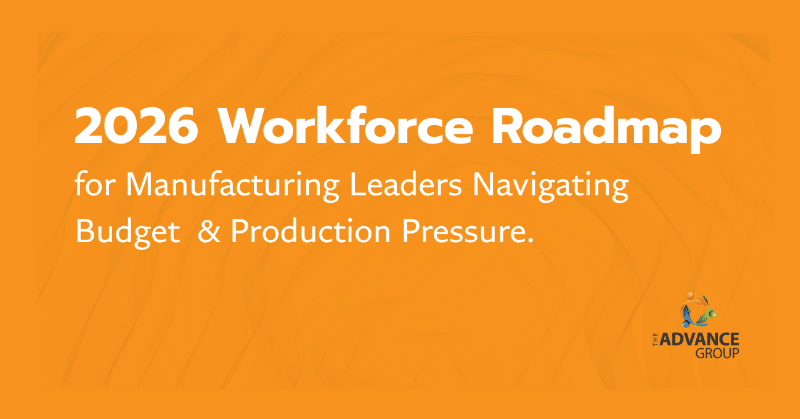
📘 2026 Workforce Roadmap: For Manufacturing Leaders Navigating Budget & Production Pressure

It’s a practical resource built to help manufacturing leaders plan ahead with strategies for workforce stability, flexibility, and labor cost control.

Why 2026 Workforce Planning Looks Different for Manufacturers

Workforce Planning Has Become a Risk Strategy

Manufacturers are entering 2026 with more uncertainty than most have seen in years. Inflation, supply chain disruptions, and unpredictable demand have made workforce decisions more complex and more critical.

Hiring today isn’t just about filling openings. It’s about protecting production schedules, controlling labor costs, and staying flexible when conditions change quickly.

After more than 35 years working with manufacturers across Ohio and Michigan, one thing is clear: the old workforce playbook doesn’t hold up under today’s pressure.

Why Flexibility Matters More Than Ever

Rigid hiring models leave manufacturers exposed.

When demand spikes or materials arrive late, leaders need the ability to adjust staffing without disrupting output or overspending during slowdowns. Flexibility across temporary, temp-to-hire, and direct hire roles, gives manufacturers room to adapt.

This isn’t about replacing full-time teams. It’s about building the right mix so production stays steady, even when the market isn’t.

Planning Ahead Reduces Cost and Chaos

Without a plan, unexpected gaps lead to overtime, rushed decisions, and pressure on supervisors. With a plan, manufacturers can anticipate pressure points, build talent pipelines ahead of demand, and cross-train teams to reduce bottlenecks.

Stability doesn’t come from reacting faster. It comes from planning earlier.

A Smarter Way to Prepare for 2026

Workforce planning in 2026 requires a clearer roadmap, one built for real manufacturing conditions.

That’s why we put together a practical workforce roadmap specifically for manufacturing leaders heading into 2026:

A 2026 Workforce Roadmap for Manufacturing Leaders Navigating Budget & Production Pressure

It outlines practical ways to:

  • Protect production schedules
  • Reduce hiring costs
  • Build flexibility into your labor strategy
  • Prepare for uncertainty before it hits


The Workforce Roadmap for 2026 is coming soon, built for teams that want stability and resilience.

What Staffing Success Looks Like: KPIs That Matter

Introduction: A Filled Job Isn’t the Finish Line

Most staffing problems don’t start with hiring. They start when people don’t show up, don’t stay, or don’t stick after week one.

That’s why “we filled the role” isn’t the finish line. It’s the starting point.

At The Advance Group, we believe staffing success should be measurable — not just assumed. Here are the KPIs we use to spot what’s working, what’s slipping, and where the biggest wins are.

1. Time-to-Fill (Balanced With Stability)

Speed matters. But if a “fast fill” turns into another vacancy in three weeks, it’s not success, it’s churn.

Track:

  • Time-to-fill for key roles

  • 30-day turnover (early exits tell the truth)

2. Quality-of-Fill (Are They the Right Fit?)

This KPI shows whether the person you hired can actually do the job — and keep doing it after the first week. At The Advance Group, we measure quality-of-fill through consistent check-ins across the first 90 days (our standard cadence is day 1, 5, 7, 14, 21, 30, 45, 60, and 90) so small issues don’t turn into turnover.

Track:

  • A strong quality-check cadence through the first 90 days

  • Hiring manager feedback at key milestones (early + ongoing)

3. Retention Rate (The KPI That Protects Your Budget)

Turnover costs more than hiring fees. It creates overtime, training drag, and burnout.

Track:

  • 30/60/90-day retention

  • Temp-to-hire conversion rate (when applicable)

4. Attendance & Reliability (Because Operations Need Predictability)

Operations don’t run on applications. They run on people showing up.

Track:

  • No-show rate

  • Call-off rate in the first 30 days

  • “Show-up-and-stay” trends (week one vs. week four)

5. Overtime & Downtime Impact (What Leaders Feel Immediately)

If staffing isn’t stable, overtime goes up and production suffers.

Track:

  • Overtime hours tied to staffing gaps

  • Downtime linked to labor shortages

6. Client Experience (Do You Feel Supported?)

A true staffing partner lowers your stress. You shouldn’t have to chase updates, replacements, or answers.

Track:

  • Response time

  • Issue resolution speed

  • Repeat business and referrals

Conclusion: Measure What Predicts Stability, Not Just Activity

Staffing success isn’t just filling roles quickly. It’s building a workforce that performs, shows up, and stays.

If you want a clearer picture of what’s working and what to fix first, we’re here to help.

Talk to The Advance Group today and let’s build a staffing plan you can measure, trust, and grow with.

How Your Business Can Save Time, Money, and Turnover in 2026

The Cost Isn’t Hiring, It’s Rehiring

Most leaders don’t want more applicants. They want fewer headaches.

Because the real drain isn’t the job post, it’s the revolving door: retraining, overtime, missed output, and supervisors spending their day plugging holes instead of leading.

If you want 2026 to feel different, you don’t need a total overhaul. You need a plan that reduces churn and protects momentum.

Here are three shifts that make a real difference.

Shift #1: Stop Treating Turnover Like a Staffing Problem

Turnover is usually a systems problem.

When people leave in week one or week three, it’s often because expectations weren’t clear, onboarding felt rushed, or the support disappeared after day one.

In 2026, one of the biggest ways to save money is to treat early turnover like a process breakdown you can fix, not just a replacement you have to rush.

Shift #2: Build Stability on Purpose (Not by Accident)

A lot of businesses run staffing in reaction mode, a call-off happens, a resignation hits, and everything becomes urgent.

But your busiest seasons, toughest shifts, and highest-turnover roles are rarely surprises. They’re patterns.

Planning ahead reduces overtime, lowers stress, and gives you room to hire with intention instead of pressure. That’s where real savings show up.

Shift #3: Hold the Standard, Even When You Need People Fast

When you urgently need coverage, it’s tempting to lower the bar.

But lowering the bar usually makes the cycle worse: reliability slips, supervisors burn out, turnover climbs, and the hiring load multiplies.

The companies that win in 2026 are the ones that protect their standard and tighten the path to good hires with clear expectations, honest job details, and better alignment from day one.

Conclusion: A Better 2026 Starts With More Stability

If you want to save time, money, and turnover this year, don’t start with another scramble.

Start with the shifts that change outcomes:

  • fix what drives early exits 
  • plan for predictable gaps 
  • keep the standard under pressure 

Talk to The Advance Group today and let’s build a staffing plan that reduces churn and helps your team start 2026 stronger.

What Every HR and Business Leader Should Know About Cyber Risks

The Threats Are Smarter and Closer to Home

When we partnered with ZetaOne to strengthen our cybersecurity practices, our goal was simple: protect our people, our clients, and the trust that keeps everything moving forward. That trust is something we work to protect every day, not just through technology but through consistent education and awareness. With guidance from ZetaOne, our team takes part in regular training and testing on cybersecurity best practices, learning how to recognize potential threats and respond quickly when something doesn’t look right.

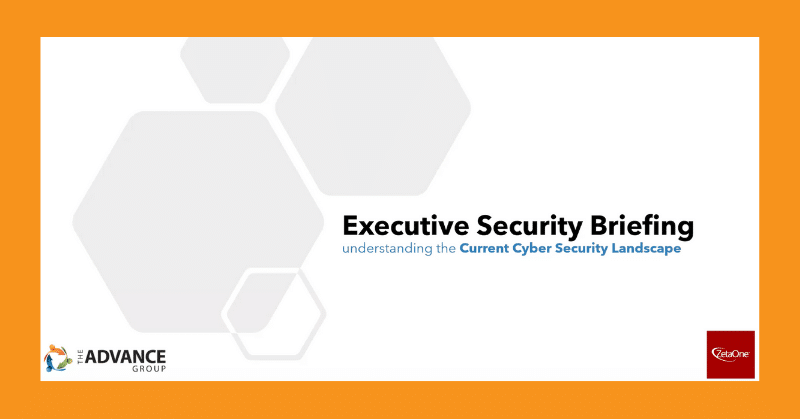
But as we learned from ZetaOne’s founder Jeremy Hodge during our recent Executive Security Briefing, cybersecurity isn’t just an IT issue anymore, it’s a people issue.

The landscape has changed. Threats are faster, more automated, and more personal than ever before. And in today’s workplace, every business, no matter the size, is a potential target.


It’s Not “If,” It’s “When” and How You Respond

One of Jeremy’s key points hit home:

“It’s not if a breach will happen, it’s when — and how prepared you are to respond that determines whether your business survives.”

The average cyber breach now takes 241 days to detect. That means someone could be in your network for nearly eight months before you ever know it.

That statistic shocked many of us and sparked an important conversation inside The Advance Group about how we protect sensitive candidate and client information. We’ve built our staffing model on trust and relationships. Data protection is an extension of that same philosophy.


The Human Factor: Your People Are the Front Line

Technology alone can’t stop every threat. The reality is, human error and social engineering have become two of the top causes of data breaches. Whether it’s a phishing email, a fraudulent text, or a “boss” asking for gift cards, cybercriminals increasingly target people, not systems.

At The Advance Group, we lead by example by making cybersecurity awareness and accountability part of our culture, helping our clients strengthen theirs in the process.

We train our teams to pause, verify, and protect. Because protecting your business starts with protecting your people.


The Business Impact: Planning Before the “Boom”

Jeremy introduced a powerful concept: the “Boom” Event, that moment when a breach occurs. He explained that many businesses spend years preparing for prevention but fail to plan for recovery.

When something happens, and eventually, it will, do you know:

  • Who will you call first?

  • How will you notify affected parties?

  • What data do you need to restore your systems?

Organizations that plan ahead are far more likely to recover quickly, maintain operations, and retain customer trust. As Jeremy put it, “The right time to plan is before you’re under pressure.”


What Leaders Can Do Right Now

This webinar wasn’t meant to scare anyone, it was meant to empower us to take control.
Here are a few takeaways every HR and business leader should act on:

Know your data. Understand what information you hold, who can access it, and how it’s stored.

Educate your teams. Regularly train employees on phishing, password protection, and device security.

Vet your partners. Ask vendors (including your IT provider) what frameworks they follow for cybersecurity and data protection.

Review your insurance policy. Make sure you understand what’s covered — and what actions could void that coverage.

Plan for recovery. Build processes to detect, respond, and recover quickly after an incident.

Small steps today prevent big problems tomorrow.


A Shared Responsibility

At The Advance Group, we see our responsibility to clients and candidates as more than making great job matches. It’s about ensuring every interaction is secure and built on trust.

The digital world has changed how we connect, hire, and collaborate. But one thing hasn’t changed: our commitment to doing what’s right for the people we serve.

Cybersecurity isn’t just about systems, it’s about people, process, and preparedness. And as Jeremy reminded us during the webinar, “Every small step you take helps strengthen your security posture.”

That’s a principle we live by every day.


Let’s Keep the Conversation Going

The best time to protect your organization’s data and people is now.

If you missed the live webinar, reach out to our team to learn more about how we’re helping businesses and job seekers stay secure in a changing world.

The Power of Second-Chance Hiring: What You’re Missing

A New Way to Think About Hiring

Across Ohio and Michigan, more employers are rethinking what it means to build a great team. They’re realizing that talent isn’t defined by a perfect résumé — it’s defined by work ethic, reliability, and the drive to grow.

That’s the heart of second-chance hiring, giving job seekers with past obstacles an opportunity to rebuild, contribute, and succeed.

At The Advance Group, we’ve seen firsthand how second chances change lives and strengthen companies. Because when you lead with respect, understanding, and trust, the results speak for themselves: lower turnover, higher loyalty, and a culture that people are proud to be part of.


1. Second Chances Lead to Stronger Teams

When a company opens its doors to second-chance workers, individuals rebuilding after life setbacks, career breaks, or justice involvement, it often discovers some of its most dedicated employees.

Why? Because these workers have something to prove and they bring motivation, reliability, and gratitude that translates into better attendance, longer tenure, and higher morale.

Consider this: 1 in 3 Americans has a criminal record — and the vast majority are for nonviolent misdemeanors. In other words, a massive pool of capable, motivated workers are often overlooked simply because of their past.

Businesses that embrace inclusive hiring see measurable benefits:

  • Reduced turnover through loyalty and trust

  • Improved productivity through stability

  • Positive reputation as a community-minded employer

And the risks? Minimal. Only 4% of people with criminal records have violent felonies, and evidence shows that if someone has been offense-free for three years, their risk of reoffending is comparable to anyone else’s.

In an era where finding and keeping great people is harder than ever, second-chance hiring isn’t just the right thing to do, it’s a strategic advantage.


2. People Over Placements: Stacey’s Vision in Action

When Stacey Bigelow founded The Advance Group in 1990, she built it on one simple belief: “Treat people like people, not placements.”

That mindset has guided every placement since. From day one, Stacey understood that staffing isn’t just about filling roles, it’s about advancing lives.

Second-chance hiring embodies that philosophy.
It’s the proof that compassion and good business go hand in hand.

Over the last 35 years, our team has helped countless individuals, from those overcoming barriers to those seeking a fresh start, find jobs where they can succeed and grow. And just as importantly, we’ve helped employers see the human and financial value of giving someone a fair opportunity. 

Because when you believe in people, they rise to the occasion. Employers who focus on who someone is today, not what they did in the past, often discover loyal, driven team members. Studies show that after three offense-free years, their risk is no greater than anyone else’s.


3. A Culture Shift Worth Embracing

Inclusive hiring doesn’t happen by accident. It happens when leadership decides that potential matters more than the past.

Forward-thinking companies are now:

  • Partnering with staffing firms that pre-screen and support second-chance candidates

  • Creating onboarding processes that set workers up for success

  • Encouraging supervisors to lead with empathy and clear expectations

The payoff is powerful. Teams built on trust and inclusion are more connected, collaborative, and committed, qualities that can’t be taught, only cultivated.

When clients choose The Advance Group, they gain a staffing partner who’s been doing this work since before it was a trend — helping businesses hire smarter while changing lives along the way. It’s also worth noting that companies face greater risk from not following fair background check laws than from hiring a qualified second-chance candidate. That’s why we often recommend reviewing screening policies — for example, reducing lookback periods from seven years to three, since data shows the risk after that time is comparable to anyone else’s. 


Conclusion: The Real ROI of a Second Chance

Every great career starts with someone saying yes.

At The Advance Group, we believe those yeses matter  for job seekers, for families, and for the companies that choose to make a difference.

We’ve seen what happens when employers open the door to second-chance hiring: stronger teams, better retention, and communities that thrive.

Ready to see that impact in your business?
Talk to The Advance Group today to start building your next success story, one second chance at a time.

What to Look for in a Strategic Staffing Partner

Introduction: Beyond Vendors—Choosing a True Staffing Partner

In today’s fast-moving market, employers can’t afford to partner with staffing firms that only “fill seats.” They need a strategic ally, someone who understands their business goals, solves hiring challenges, and helps their teams thrive.

At The Advance Group, we believe the difference between a vendor and a partner comes down to insight, follow-through, and long-term alignment. For over 35 years, we’ve built relationships rooted in those values, helping Midwest manufacturers, logistics firms, and office teams grow stronger through people-first staffing.

1. Insight: A Partner Who Understands Your Business

A true staffing partner doesn’t just know the job market, they know your market.

That means understanding local labor trends, pay benchmarks, and what really drives retention in your specific industry. From Toledo to Detroit, our recruiters live and work in the same communities as our clients. We bring regional insight that national firms can’t replicate.

But insight also means listening. Before we ever recommend a candidate, we take time to understand your production goals, culture, and challenges. That’s how we align talent solutions with real business outcomes whether that’s reducing downtime, improving shift coverage, or building a more reliable pipeline.

In short: a partner asks better questions because they care about the answers.

2. Follow-Through: Doing What’s Right, Not Just What’s Easy

When Stacey Bigelow founded The Advance Group in 1990, she did it with one simple belief: treat people like people, not placements.

In the early days, Stacey wore every hat, sales, recruiting, payroll, and customer service. She learned firsthand that success in staffing isn’t about transactions; it’s about trust. That same spirit still defines how we operate today.

Follow-through is our promise. It’s why we return calls quickly, show up when others don’t, and make sure clients never have to chase us for updates. It’s why we invest in high-touch service and technology that streamlines communication so every placement feels personal and professional.

For us, integrity isn’t an add-on. It’s how we work.

3. Long-Term Alignment: Building Teams That Last

A vendor focuses on filling today’s openings.
A partner helps you prepare for tomorrow’s opportunities.

At The Advance Group, we take a long-term approach to workforce planning. We help clients build strategies that reduce turnover, strengthen retention, and identify leadership potential early. Our goal is simple: to help you hire smarter, not harder.

That’s why our relationships often span decades. We don’t disappear after a placement; we stay involved, measure results, and adapt strategies as your business evolves. Because your success is our measure of success.

Conclusion: Partner with a Team That Shares Your Vision

The right staffing partner doesn’t just deliver people, they deliver peace of mind.

With over 35 years of experience, The Advance Group has become a trusted partner to hundreds of businesses across Ohio and Michigan. Our approach blends local expertise, personalized service, and proven results to help you build a workforce that lasts.

Build your strongest team yet  with a partner who shows up, follows through, and delivers results. Talk to The Advance Group today to start building your next success story.

Cheers to 35 Years of Advance: Stacey Bigelow on Building Reliable Teams, Respect, and Results

Every anniversary marks a milestone, but thirty-five years calls for something more: 

A celebration of grit, heart, and a team that never quits. 

This October, The Advance Group is not just celebrating an impressive number. We’re reflecting on a journey that began in a single office and grew into a premier staffing partner for companies across Ohio and Michigan.

Starting with a Leap and a Lot of Heart

Stacey Bigelow can still remember her first days in staffing, back in 1990. 

In the early days, I took a leap of faith and bought a building in downtown Monroe to make it our home. At the same time, I poured myself into the community; volunteering with United Way, The American Red Cross, and involvement with local leadership groups. 

Looking back, those choices weren’t just about having an office or joining organizations; they were about building roots, relationships, and trust. That foundation still shapes how we show up today — putting people first and creating lasting partnerships with our clients and talent.

Stacey loved the energy and the fast-moving pace. Each day was a new chance to make a difference for someone. In 1990, that spark grew into something bigger. The doors opened, the phones rang, and The Advance Group was born.

Building a Team, Building a Community

The early years pushed Stacey to her limits. She handled sales and recruiting while processing payroll and solving daily problems that came with building a company from the ground up. Eventually, the long nights paid off. Each job placement strengthened a family’s income, and every new client expanded the job community she aimed to serve.

The Advance Group began in Monroe with a clear purpose: to connect hard-working people with companies that valued them and rewarded their efforts. Word spread as the company produced results for both employers and candidates. 

The team expanded into Toledo and the Downriver Detroit areas, creating opportunities in every market. Each location was driven to serve people with care and help local businesses thrive.

Roots That Run Deep

Community involvement remained at the center of the journey. Stacey and her team gave time and energy to local non-profit organizations and business associations. They saw the power of collaboration, not just inside the company but in every connection outside it. 

Those early relationships turned into partnerships that still last. In 1994, the Monroe County Business Alliance honored Stacey with the Rising Star Award. That moment captured the spirit of what The Advance Group was building.

Leading with Heart, Midwestern Grit, and a Game Plan

The Advance Group has grown into a company that leads with heart and vision. We speak with honesty and confidence and treat people with care to build lasting relationships over time.

We believe in people and show up for the tough moments, looking for a way to lift others up. That Midwestern grit to never giving up and always rolling up sleeves shows up in everything, from filling last-minute shifts to guiding a business through busy seasons.

A Mission That Never Changes

At the heart of The Advance Group is a simple promise. We make hiring simpler and more human. We match great people with great work and help companies grow stronger. 

Industry trends and advanced technology have not changed our desire to connect with our clients on an authentic human level. Tech hasn’t always been around or even relevant to what we do. But even as we embrace technology, we do so with the human touch. We build relationships to help people and organizations succeed.

Every day brings a new opportunity to live out these values. Clients return because they know this team shows up as collaborators, not just vendors. Job seekers trust that they will be respected, listened to, and placed in roles that help them advance.

Achievements, Growth, and Looking Ahead

Through every season, The Advance Group has adapted and grown. The team has introduced high-tech solutions to make staffing even smarter. Yet the core never changed: 

Relationships, integrity, and treating people right always come first. 

The Advance Group has earned recognition as one of the region’s best staffing agencies. The Monroe, Toledo, and downriver Detroit communities have relied on the company for jobs, partnerships, and community support.

As they celebrate this milestone, The Advance Group looks to the future with excitement. The story is far from over, we are still advancing.. Every new year brings new opportunities to help people advance their careers, support local businesses, and lift the communities they call home.

A Toast to What’s Next

Stacey often says, “We’re not just filling jobs. We’re helping people advance their lives. And we’re just getting started.” Thirty-five years is an achievement. It’s also an invitation to keep moving forward with heart, with courage, and with a team that’s always ready to advance.

Here’s to the next chapter, the next challenge, and every person whose story is now part of The Advance Group’s own. Cheers to thirty-five years and all the lives changed along the way.

Lorem ipsum dolor sit amet, consectetur adipiscing elit. Ut elit tellus, luctus nec ullamcorper mattis, pulvinar dapibus leo.

Stacey Bigelow

CEO