
How to Stand Out from Other Applicants This Year

While COVID-19 vaccines are making their way out into the population, the pandemic will remain part of the landscape for quite some time. As a result, unemployment may remain fairly high, creating more competition for job seekers. Additionally, some pandemic-related changes to recruitment processes will probably stay in place, at least for the next few months.

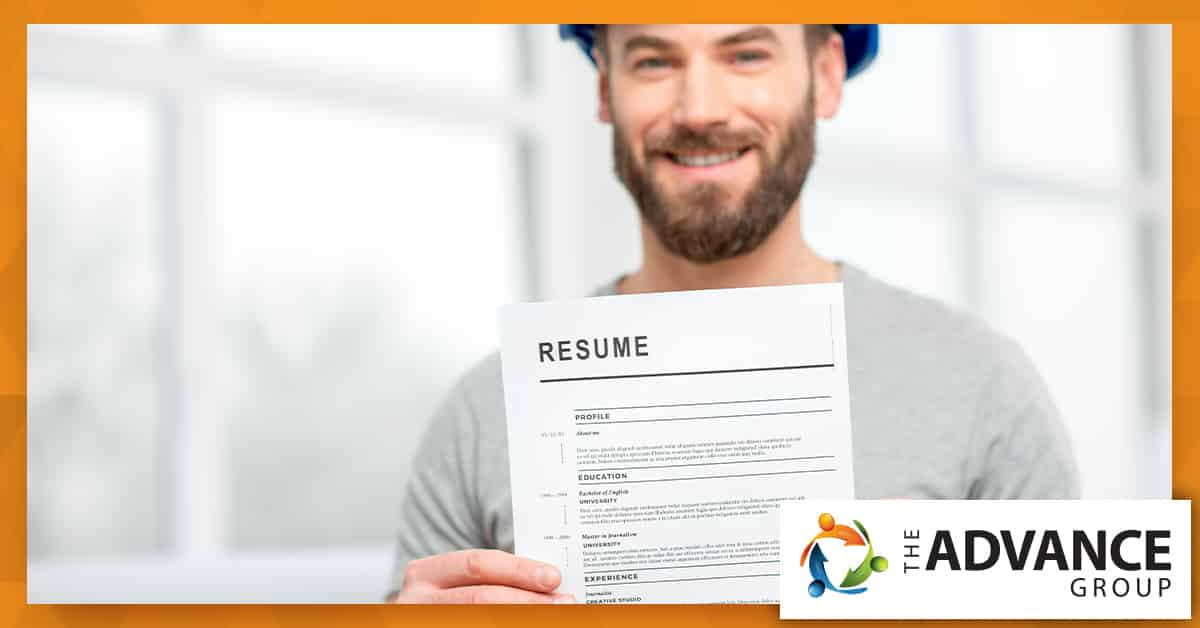
As a candidate, this can make it harder to figure out how to stand out from other applicants. Certain techniques that worked pre-pandemic might not be as effective today, so you need to find alternatives that allow you to shine. If you aren’t sure where to begin, here are some options that can make it easier to separate yourself from the crowd.

Elevate the Video Interview

In the early days of the pandemic, video interviews could often be a bit haphazard. Everyone was familiarizing themselves with the new approach, so the occasional mishap was often overlooked.

Today, video interviewing isn’t new. As a result, the same missteps that may not have been a big deal in early to mid-2020 will be subject to more scrutiny now.

If you want to stand out from other applicants, you need to make sure your video interview skills and experience is top-notch. Along with having a quiet space to participate, you need to make sure that what appears on camera reflects well on you. Examine your background and make it look professional. Adjust your lighting to ensure it isn’t too bright or dark. Test your technology to ensure a smooth connection, clear video, and high-quality audio.

Additionally, resist the urge to dress down. Professional attire can be a differentiator, as not all candidates will go that extra mile when taking part in a video interview.

Take Your Cover Letter Up a Notch

Your cover letter can be a powerful tool for setting yourself apart from the pack. It gives you more flexibility than you have with a resume, and it’s possible to use that in your favor.

Along with highlighting valuable skills and achievements, use your letter to showcase your knowledge of the company. For example, mention the company’s mission or values, discuss how a recent achievement by the organization or hiring manager caught your eye, or tie your experience into a critical aspect of the company’s culture.

Additionally, make sure you use engaging language. Avoid passive voice whenever possible, favoring action verbs instead. Mix in some keywords from the job ad to ensure that the hiring manager (and any automated screening technologies) sees you as a strong match.

A well-crafted cover letter can help you stand out from the pack. Make sure to harness the opportunity.

Highlight Remote Work Skills

If you’re applying to a position that’s remote, either permanently or just until the pandemic calms, highlight your remote work skills and experience on your resume. Let the hiring manager know about any relevant technologies you’re familiar with, such as collaboration software or VPNs.

Additionally, when you mention a major achievement that occurred when working from home, state that you were telecommuting at the time. This lets the hiring manager know that you can excel as a remote employee and make a big difference when deciding which candidate to pursue.

Ultimately, each of the tips above can help you stand out from other applicants this year. If you’d like to find out more, the team at The Advance Group can help. Contact us today.




How to Stay on Top of Ever-Changing COVID Regulations

Laws and regulations regarding COVID-19 can change at a moment’s notice. The situation is extremely fluid, particularly with post-holiday surges being accompanied by the initial vaccine rollout.

The landscape is, therefore, incredibly complex for companies. Organizations have to adjust to new regulations quickly, ensuring they remain compliant while also sustaining operations.

By staying on top of new COVID-19-related regulations, companies are better equipped to adapt. If you aren’t sure how to remain current, here are some tips that can help.

Federal and State Leave Laws

In the early days of the pandemic, the federal government passed the Families First Coronavirus Response Act (FFCRA). The legislation launched temporary changes to paid leave policies, expending coverage for those impacted by COVID-19.

Further, some states passed their own regulations. Generally, these expanded on the federal rules, providing additional protection.

While the FFCRA expired on December 31, 2020, Congress did expand company tax benefits into the first quarter of 2021. This allows companies to offset the cost of leave, creating an optional framework for supporting their employees.

However, with a new administration beginning on January 20, 2021, additional changes could be on the horizon. Additionally, states could launch new legislation, regardless of what happens at the federal level.

Ultimately, monitoring leave laws is a must for companies. Along with tracking information through major news sources, consider signing up for news alerts focused on leave. That way, if discussions begin, you’ll know that a change may be on the horizon.

An easy way to begin is to sign up for new bill alerts on Congress’s website and with your local government. You can also request alerts that allow you to track bills introduced, ensuring you know which ones move forward.

OSHA Requirements

The Occupational Safety and Health Administration (OSHA) is another government organization that changed what companies must respond to COVID-19. Additionally, the agency frequently releases supplemental guidance, including tips on how to keep employees safe.

Companies should monitor the OSHA Coronavirus Disease page to stay apprised of changes. It contains a link to relevant regulations, details about recordkeeping and reporting, and information about enforcement, allowing you to remain fully aware of what’s currently required.

You can also subscribe to the OSHA RSS feed. With that, you’ll receive alerts when new information is published, giving you another option for remaining on top of the situation.

Department of Homeland Security

The Department of Homeland Security adjusted I-9 requirements, creating a remote verification option in response to COVID-19. However, that may not be the only change you need to monitor.

By heading to the department’s Worksite Enforcement site, you can sign up for alerts. That way, if a new change occurs, you’ll receive a notification, ensuring you can adjust your processes as quickly as possible in response.

Ultimately, staying on top of changing COVID-19 regulations can be challenging. However, by using the tips above, you can stay informed, ensuring you can adapt to remain compliant whenever the need arises.

If you’d like to learn more, the team at The Advance Group can help. Contact us today.



Do You Have Answers to These Behavioral Interview Questions?

When you’re preparing for an interview, practicing your answers to interview questions is a wise move. It allows you to get comfortable with what you want to say and ensure that you can showcase your experience and capabilities effectively.

Every interview is indeed, unique. After all, hiring managers’ priorities aren’t always the same, and roles can require different skills. However, certain behavioral interview questions are widespread, mainly because they apply to a wide range of positions.

If you want to make sure that you’re ready, having answers to widely used behavioral interview questions is wise. If you aren’t sure which ones you should practice, here are some common behavioral interview questions that you can use as a starting point.

Challenges

At some point, every professional face significant challenges on the job. Hiring managers want to know that you can navigate difficulties to achieve success ultimately, so they ask specific kinds of behavioral interview questions to assess your capabilities in that area.

Here are a few challenge-related behavioral interview questions you might encounter:

  • Tell me about a time you were asked to handle a task but didn’t know how to do it. How did you deal with that situation?
  • Give me an example of a time you failed. What did you do to overcome it or move forward?
  • Can you tell me about an instance where you were under a lot of stress at work? What happened? What did you do to make it through it?

Teamwork

Teamwork is critical for essentially every job imaginable. As a result, nearly all candidates will face off against questions that gauge their ability to work effectively with others.

Here are some examples of teamwork behavioral interview questions:

  • Tell me about a time when you and a coworker disagreed about handling a task or situation. What did you do to address the conflict and achieve success?
  • Describe a moment when a coworker whose personality differed from yours and you had to work together. What did you do to ensure you could collaborate effectively?
  • Can you tell me about a time where you made a mistake when collaborating with a coworker? What steps did you take to resolve the issue?

Communication

Another skill that’s critical in nearly every job is communication. The ability to share and receive information effectively is vital for collaboration, teamwork, and more.

Here are a few communication behavioral interview questions you might be asked during your interview:

  • Tell me about a time when you had to share a complex piece of information with someone who wasn’t well-versed in that subject. What did you do to ensure they understood?
  • Can you share an example of a moment where you had to negotiate with someone or persuade them to see things from your perspective? How did you approach the situation, and what was the result?
  • Describe a time where you had to work with an angry, upset, or dissatisfied customer or client. What did you do to defuse the situation and achieve a positive result?

Ultimately, all of the behavioral interview questions above could apply to nearly any job. As a result, it’s wise to have an answer to them at the ready, ensuring you can shine when you meet with the hiring manager.

If you’d like to learn more about effective interviewing, the team at The Advance Group can help. Contact us today.



Find a Job With Sick Pay!

Paid time off is often one of the most highly desirable benefits. It allows you to handle your obligations or personal life without having to sacrifice part of your paycheck, making it incredibly important for many workers. 

What Makes Sick Leave So Important? 

With sick leave, you can take time off from work when you’re ill, giving you a chance to rest and potentially recover faster. Often, you can use paid medical leave when a family member is sick, too, ensuring you can stay home and offer them care. And there are more situations where using sick leave is an option. If you are wondering what sick pay covers, and how to find a job that offers sick leave, here’s what you need to know. 

What Sick Pay Covers in Michigan 

The Michigan Paid Medical Leave Act (PMLA) requires o employers with 50 or more individuals to provide sick leave for full or part-time status or how many hours they work. Individuals can earn one hour of sick time for every 35 hours worked, up to a maximum of 40 hours per year. 

Under the law, you can take sick time to care for yourself or a child, spouse, parent, parent of a spouse, grandparent, grandchild, or sibling. You can use your time if your workplace is closed by a public health emergency or to care for a child whose school or childcare provider has been closed. 

How Can I Use Sick Pay? 

To use paid medical leave, employees do need to follow their employer’s call-in procedures. Further, they may need to provide documentation that shows the use of sick leave was legitimate, such as a doctor’s note. 

Find a Job in Michigan with Sick Pay 

If you’re a Michigan worker looking for a job with sick pay, The Advance Group wants to hear from you. We can help you find full-time work with employers who are covered by PMLA as well as temporary positions in which you with be covered by The Advance Group. Staffing companies are exempt from the PLMA and the Families First Coronavirus Response Act (FFCRA), but we are committed to keeping our employees happy and healthy while connecting them with some of the best opportunities in Michigan. Contact us to learn more about our Michigan jobs and benefits package today. 


3 Ways to Keep Your Employees Engaged This Year

Employee engagement has been a hot topic for several years. When workers are highly engaged, they tend to be more productive. Their outputs are often of higher quality, and they are willing to take on more and enthusiastic about handling their responsibilities.

Additionally, engaged employees tend to be happier than their less engaged counterparts. This not only leads to better morale, but it can also enhance your company’s culture.

While most organizations understand the value of employee engagement, figuring out how to boost it isn’t always easy. If you aren’t sure where to begin, here are three ways to keep your employees engaged this year and beyond.

1. Adopt a “Whole Person” Mindset

Each of your workers isn’t just a set of skills; they are whole people with lives outside of their professional personas. While nurturing their professional capabilities is always wise, getting to know them as individuals beyond what they bring to the workplace can have a dramatic impact on engagement, too.

Adopt a “whole person” mindset and start viewing your workers are unique people with lives, families, hobbies, and more. Focus on building connections with your team that extend past their work responsibilities and capabilities, allowing you to get to know them on a different level.

As you deepen the relationships, you are poised to impact your employees’ lives positively. You may be able to help them navigate challenges outside of the workplace, reduce stress, and find solutions to problems that may be harming their focus. If you do, engagement typically rises, essentially creating a win-win for all involved.

2. Recalibrate Your Mission and Values

Most companies are aware that a post-pandemic world isn’t going to look like the one everyone was in previously. The idea of a “new normal” emerging is well-established, and most organizations acknowledge that some COVID-19-related changes will remain in place.

However, not all businesses recalibrate their mission and values statements to address their evolving position in this emerging landscape. This can create a disconnect that may harm engagement. Employees are often motivated by their employer’s mission, but if it doesn’t match the reality of a post-pandemic world, that source of inspiration loses its effect.

Spend some time reflecting on your company’s purpose, goals, and driving forces in the light of what’s happening today and will likely be happening tomorrow. Then, see if your mission and values statements need an overhaul to align them with your new way of moving through the world.

3. Take the Next Step Past Diversity and Inclusion

While maintaining your diversity and inclusion programs is a must, it’s also time to start exploring what lies beyond these priorities. At times, fostering a sense of belonging is the next step in a company’s cultural development. In others, fairness and equity are higher priorities.

Examine your culture and practices to see what next steps make the most sense in your company. Then, work to evolve your diversity and inclusion programs so that they include more facets. By doing so, you can boost your culture and employer brand, leading to higher engagement, loyalty, and more.

If you’d like to learn more about how you can keep employees engaged this year, the staff at The Advance Group can help. Contact us today.



Grow Your Career This Year (Pandemic or Not!)

Many professionals have seen their careers stall due to the pandemic. Many companies had to tighten their belts during the early days of COVID-19 and invest in areas like remote work technology to keep operations stable. As a result, promotion delays, pay freezes, and even layoffs became fairly commonplace.

However, even with the pandemic still being a factor, that doesn’t mean you can’t grow your career this year. With the right approach, you can make progress. If you aren’t sure where to begin, here are some tips that can help.

Take Control of Your Professional Development

Today, it isn’t wise to rely on your employer when it comes to professional development. Training budgets may have been slashed to help navigate the financial challenges related to the pandemic, and they may remain limited for the first half of the year or longer. But that doesn’t mean you can grow your skills; you have to take that on yourself.

Luckily, there is a slew of options for advancing your own professional development. Digital trade publications and virtual conferences can be a great source of new information. You can find out about something new and take deep dives into unfamiliar but relevant topics.

Online classes are another stellar option. There are plenty of websites that make finding courses easy. Plus, some of them are completely free to use.

You can also try books, blogs, or podcasts. Following thought leaders on social media can also be a wise move, particularly for identifying emerging trends in your field.

Reflect on your career, both where it is and where you’d like it to go. Then, identify subjects where growing your knowledge would be beneficial and make that a priority.

Extend Yourself at Work

If you’re currently employed and want to snag a promotion with your current employer, find ways to extend yourself. An easy way to begin is to speak with your manager about your career progression goals and see if there are any opportunities to take on more responsibility or get involved in career-boosting projects.

You can also volunteer for special projects, committees, or stretch assignments. If those aren’t available, examine your current workflows and duties to see if there is space for potential improvement, and see if you can make changes to increase efficiency, lower costs, or both.

In some cases, offering to assist your colleagues can work, as well. Not only does this make you look like a team player, but it may expose you to tasks or skills that are new to you, giving you a chance to grow. Additionally, it can help you build stronger connections with people who may assist you in advancing your career. Plus, it will boost your reputation, and that practically always works in your favor.

Keep Networking by Going Virtual

As mentioned above, virtual networking events can be great resources for new information, particularly in emerging trends in your field. But these conferences also allow you to connect with other professionals, giving you a chance to grow your network.

It’s also wise to dedicate time each week to networking through other online avenues, like social media. Along with forging new connections, it creates a pathway for keeping existing relationships strong. That can be incredibly beneficial to your career, as you may learn about career-advancing opportunities you wouldn’t have discovered otherwise.

Ultimately, pandemic or not, it is possible to grow your career this year. If you’d like to learn more, the team at The Advance Group can help. Contact us today.



Turnover and Five Other HR Trends That Will Shape 2021

Every year, a particular set of trends is poised to shape the business world for the next 12 months. If you wonder what HR trends will impact 2021 the most, here are six that are likely to make waves in the coming months.

1. Turnover Remains a Top Challenge

Employee retention has always been a concern for companies. By limiting turnover, productivity and efficiency can often stay higher. Plus, the actions that generally lead to better retention often boost morale, leading to gains.

While some companies may assume that the pandemic will make turnover less of an issue, that isn’t necessarily the case. In some cases, pay cuts or salary increase delays related to cost management during COVID-19 will encourage some professionals to look elsewhere. Additionally, declining growth and advancement opportunities during this time may disincentivize staying, causing a higher turnover.

Companies need to focus on retention-boosting activities, pandemic or not. Along with offering fair wages, make sure employees feel valued and appreciated. Find opportunities to help them grow, too, such as by providing job shadowing or cross-training options. That way, you can keep your best and brightest on staff during this tumultuous time.

2. Social Responsibility in the Spotlight

COVID-19 wasn’t kind to companies or professionals alike. However, how businesses responded to the change impacted their reputation. Those that rose to the occasion and acted in socially responsible ways will be viewed as more attractive employers, while those that didn’t may see their employer brand diminish.

While companies can’t turn back the block, making social responsibility a priority now can make a difference. It will positively impact your reputation and culture, making you a more enticing employer.

3. The Rise of Remote Work

One thing the pandemic did was showcase the merits of telecommuting. Many professionals would favor the arrangement, particularly if it benefited their work-life balance. As a result, they may be hesitant to return to an always-in-the-office approach moving forward.

While companies don’t have to remain fully remote, having some form of flexible work policy might be a must. That way, they can meet the expectations of professionals who now know for a fact that they can flourish when working from home.

4. An Emphasis on Employee Wellness

The pandemic created a variety of hardships, including physical and mental health challenges. Companies can’t afford to ignore employee wellness, as promoting positive well-being is now a critical part of the equation.

Ideally, businesses should create well-rounded wellness programs, ensuring that physical and mental health is addressed. Additionally, any associated benefits need to be accessible to employees who may remain remote, ensuring everyone can participate.

5. Tech-Savvy Recruiting Methods

Today’s employers need to look beyond traditional application processes and job boards to connect with top talent. While those can be part of your overall recruitment approach, embracing tech options like chatbots, mobile-friendly application processes, and text-based recruitment activities is essential.

These options make it easier to connect with candidates, particularly those of younger generations. Additionally, it boosts your company’s employer brand, as you appear more innovative and tech-savvy.

6. Upskilling for Skill Gap Closure

Most companies are battling against some skill gap. While recruiting someone who has the needed capability is an option, it isn’t always simple to pull off if the skill is in-demand but isn’t widely available.

By shifting to an upskilling approach, companies can close gaps by training their team in those areas. It allows you to optimize your team’s capabilities while providing professional development opportunities that top performers typically crave.

Ultimately, each of the HR trends above will shape 2021. If you’d like to learn more, the team at The Advance Group can help. Contact us today.


Yes, Now Is the Right Time for Some Time Off

The holiday season is traditionally a time when professionals take some time off. However, COVID-19 altered the landscape. Shelter-in-place orders may mean that traveling is off the table. In some cases, and social distancing recommendations even make visiting family members a no-go.

Plus, for employees working from home, taking a vacation may feel inappropriate, regardless of how hard they’ve been working or how long it’s been since they’ve had a break. As a result, many pros are wondering whether they should take time off at all.

The thing is, using your vacation time is still a smart move, even if it turns into a staycation instead of traveling. If you are wondering why now is the right time for some time off, here’s what you need to know.

Taking a Break is Healthy

On occasion, everyone needs to step away from the stresses of work. When you take a vacation, you get a chance to recharge and relax, both of which support better mental health.

Plus, many professionals who work from home struggle with disconnecting from work. With their office being nearby at all times, unplugging completely doesn’t always happen. But when you take time off, you have to disconnect, and that can be refreshing.

A vacation is an official declaration that you’re unavailable. It makes it easier to permit yourself to completely step away, even if you don’t leave your home. That chance to relax is critical to your well-being, especially during times as challenging as these.

Your Productivity Will Rise

Without a break, stress levels tend to soar. At times, you may even start battling against burnout, a mental state that can cause your productivity to tumble.

However, when you take time off, you usually return to the workplace with renewed vigor. Since your stress levels are down, it may be easier to focus and face challenges. This can actually cause the quality of your work to go up, and you may even be faster when you handle your tasks.

Essentially, your vacation is a way to set yourself up for success. You’re more likely to be at your best when you get back, and that can have a significant positive impact on your performance.

Your Vacation Time Might Vanish

If your company resets employee vacation hours at the start of the new year, any time you don’t use this year vanishes. That means you’re missing out on a benefit you’ve earned by not taking time off, which is a bit of a pity.

You worked hard to accrue your paid time off, so you should use it. Make plans to spend your hours before they expire or reset. That way, you’re getting the most out of your benefits.

In the end, now is a great time to schedule some time off. Review your company policies and make sure to submit your leave requests soon. That way, you can take advantage of the hours you’ve earned and get a break in before the end of the year.

If you’d like to learn more about maximizing your benefits before the start of 2021, the team at The Advance Group can help. Contact us today.


What We Do Best (And How It Helps You!)

At The Advance Group, we pride ourselves on being your go-to staffing firm for all of your hiring and job search needs. While we can assist companies and professionals in every niche, we specialize in certain high-demand areas.

Whether you’re looking for skilled professionals for temporary, temp-to-hire, or permanent placements or seeking new opportunities, The Advance Group can help you find great matches. If you wonder what we do best here at The Advance Group, here’s a look at some of our specialties.

Manufacturing

Our recruitment specialists understand the challenges manufacturing companies face and what it takes for candidates to thrive in those roles. Reliability is paramount, and a strong skill set ensures production goals can be met with greater ease.

At The Advance Group, we specialize in manufacturing job placement. Not only can we help companies find exceptional candidates at any volume, but we also focus on assisting job seekers with finding their ideal opportunity. We look beyond technical ability, ensuring that the match is also a great culture fit. Together, that can lead to long-term success and satisfaction for both employers and employees.

The manufacturing jobs we specialize in include, but are not limited to:

  • Assembly
  • Forklift Driver
  • Machine Operator
  • Maintenance Specialist
  • Material Handler
  • Overhead Crane Operator
  • Production Supervisor
  • QC Inspector
  • Welder
  • And More

Skilled Trades

The Advance Group is a premier, skilled trades placement agency. Our recruitment team understands what it takes to get the job right and be happy in a skilled trades position. That’s why we focus on the quality of the match. We want to make sure that employers and candidates are happy with every placement. That way, everyone is poised for success.

The skilled trades positions we specialize in include but are not limited to:

  • CAD Designer
  • CNC Operator
  • Die Setter
  • Electrician
  • Electronic Assembly
  • Engineering
  • HVAC
  • Laboratory Technician
  • Machinist
  • Mechanic
  • Welder
  • And More

Administrative/Clerical

Our recruitment specialists fill a range of positions as a leading administrative staffing agency, including temporary, temp-to-hire, and permanent opportunities. We understand the nuances of each clerical and administrative job and the importance of culture fit. This allows us to create great matches that set both employers and employees up for success.

The administrative and clerical roles we specialize in include but are not limited to:

  • Accounting
  • Administrative Assistant
  • Call Center Rep
  • Customer Service Specialist
  • Data Entry Operator
  • Human Resources
  • Payroll
  • Sales
  • And More

Direct Hire Placements

If you need to fill a leadership role or are a professional looking for a permanent opportunity, our direct hire recruitment specialists are here to help. We understand that a successful search can be challenging and lengthy, particularly when your efforts need to be confidential. That’s why our team specializes in these types of opportunities, allowing companies to find the leaders and professionals they need quickly and candidates to secure exciting roles faster than ever before.

Ultimately, our goal is to make exceptional matches, ensuring both employers and candidates are thrilled with the placements. If you’d like to learn more about our services, the team at The Advance Group wants to hear from you. Contact us today.


What Type of Remote Worker Are You?

There’s a slew of general advice about how to thrive as a remote worker. The issue is, not all remote workers are the same. Everyone has unique needs and preferences. If those aren’t taken into consideration, even the best, well-meaning recommendations may not produce results.

By understanding what type of remote worker you are, you can create a system that keeps you at your most productive. If you aren’t sure where to begin, here’s what you need to know.

Segmentor vs. Integrator

Wharton professor Nancy Rothbard took a hard look at the remote work paradigm and noted two categories of remote workers: segmentors and integrators. What stands apart in these groups is how separated or enmeshed work was in a person’s life and how it impacted their success.

With segmentors, there’s a need to keep the professional life separated from their personal one. For example, they may not be at their best working from a kitchen table while other family members buzz around. Instead, they might need a private home office to thrive.

Additionally, segmentors prefer well-defined work hours. They want to completely break away from their professional responsibilities at a specific time, giving them a level of reprieve.

Integrators, on the other hand, don’t mind a bit of blurriness. They may be perfectly comfortable working on a project while also assisting their children with school work. As a result, working from a semi-public space doesn’t bother them.

Further, integrators don’t mind answering after-hours emails or handling small tasks when the need arises. However, they may be inclined to allow incoming messages to distract them, affecting their overall focus.

Why Your Remote Worker Type Matters

By understanding what type of remote worker you are, you can cultivate an approach that works best for you. This increases the odds that you can remain productive, fulfilled, and happy.

Often, much of the advice you see for telecommuters applies more to one group than the other. For example, while a segmentor may need to set boundaries with their manager, integrators may not have that need. Similarly, integrators might benefit from time or project management solutions, helping them focus on the task-at-hand instead of being distracted by incoming messages.

It’s important to note that neither type is better than the other. Both thrive in some situations and struggle in others. The same can be said for a ton of characteristics, such as being an introvert or extrovert. There are benefits and challenges on both sides of the equation. But by understanding where you fall, you can make changes that ensure you’ll exceed expectations at work.

Ultimately, your remote work type plays a big role in what you need to excel professionally. That’s why understanding which category fits you is vital. It ensures that you can identify which best practices will align with your needs and which advice pieces aren’t a great fit. Then, you can embrace the approaches that genuinely make a difference for you professionally.

If you’d like to learn more, the team at The Advance Group can help. Contact us today?


What Is a “Candidate Journey” and Is Yours Good Enough?

Every company that hires job seekers has a candidate journey. The candidate journey is the path that job seekers must take when they want to land one of your open positions. It involves every step in your recruitment process, starting with finding the job ad and continuing through the onboarding process.

If your candidate journey is subpar, you’ll miss out on exceptional job seekers. However, if the experience you offer exceeds expectations, you’ll elevate your employer brand, making you a more attractive option in the eyes of skilled professionals.

If you wonder why the candidate journey is so critical and how you can gauge yours, here’s what you need to know.

The Importance of the Candidate Journey

The quality of your candidate is vital to your company’s hiring success. When the recruitment process is cumbersome or confusing, many job seekers will opt to abandon the opportunity, often out of pure frustration or annoyance. Similarly, if an applicant doesn’t receive any feedback about their application, they may assume that they aren’t being pursued, causing them to move on immediately.

Often, when the candidate journey is poor, word tends to get out. Professionals often speak openly with other job seekers in their network about their experience. They may warn people away from your company or encourage them to focus their search on your competitors.

However, if your candidate journey is clear, simple, and welcoming, word will spread about that, too. This can cause your company to be viewed as an employer of choice, bolstering your recruitment efforts.

Plus, more job seekers will complete your process. That ultimately gives you access to a deeper talent pool and may make it easier to locate professionals with hard-to-find skills.

Gauging Your Candidate Journey

If you want to determine your candidate journey’s quality, there are a few approaches that can work. First, if your applicant tracking system (ATS) can identify abandoned applications, that’s a great place to start. It lets you know how many candidates begin to apply but ultimately walk away, providing you with insights about how your application process is viewed.

Second, you can discuss the journey with applicants and new hires. They’ve personally experienced your candidate journey and can give you feedback about what it was like.

Finally, you can always put together a team of employees to examine the experience. You could create a sample job opening and ask them to apply, taking notes about the process and how they perceive it. This gives you another source of information and, if you use employees from a variety of departments and job levels, could be particularly enlightening.

How to Improve Your Candidate Journey

Enhancing your candidate journey doesn’t have to be a challenge. Ideally, focus on streamlining and simplifying.

For example, remove any redundancies, like asking for a resume and requiring all candidates to fill out blanks in an application. Limit the number of essay questions you use in the application or consider eliminating them from that stage entirely.

It’s wise to find opportunities to automate basic communication, as well. For example, an email stating that the application was received is a good starting point. Next, follow-up with a second one when the resume is reviewed, letting the candidate know if they are moving forward.

Beyond that, transition to personalized messages. Since the pool of candidates heading to the interview phase tends to be smaller, reach out to them as individuals to coordinate interviews and provide further updates.

Even those small changes can make a big difference. If you’d like to learn more about how you can boost your candidate journey, the team at The Advance Group can help. Contact us today.


Lorem ipsum dolor sit amet, consectetur adipiscing elit. Ut elit tellus, luctus nec ullamcorper mattis, pulvinar dapibus leo.

Stacey Bigelow

CEO