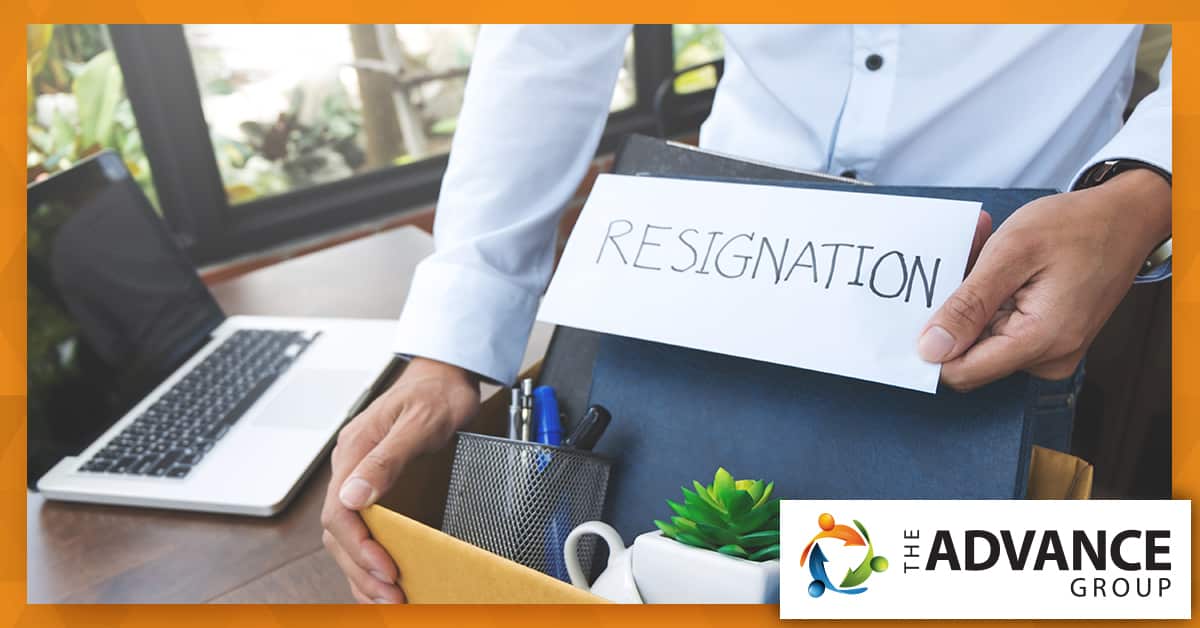
Want to Keep Employees Longer? Start by Hiring Them Sooner!

While it may not seem like time-to-hire and turnover rates go hand-in-hand, they often can. When your hiring process is slow, it can lead to recruitment and retention challenges that negatively impact your company.

Often, the resulting issues can be avoided simply by making hiring decisions faster. If you are wondering how time-to-hire reductions positively impact retention, here’s what you need to know.

Top Talent Aren’t Available for Long

When it comes to retention, the quality of the fit matters. If an employee is a strong match for the role and your company’s culture, they may be more inclined to stay long-term. They will feel like they belong, and that makes a significant difference.

The issue is that leading candidates representing the best fit aren’t typically part of the job market for long. Since their capabilities are highly desirable, they tend to get job offers with relative ease. As a result, a slow hiring process means you’ll miss out, leaving you stuck settling for a less-than-ideal match or relaunching your recruitment initiative to try and find a top talent again.

If you go with the former, turnover issues can arise. A poor fit means that the employee may not excel in the position or align with your culture, both of which can leave them disconnected from your company and frustrated, both of which could lead to a quick exit. Plus, if they aren’t able to perform well in the role, you may have let them go.

Harm to Your Employer Brand

Job seekers typically share their candidate experiences with others. If your hiring process is slow and cumbersome, word of that will likely get out. In time, your employer brand will be diminished, and that comes with long-term ramifications.

Once a company gains a reputation for having a subpar candidate experience, top talent usually begins to steer clear of that employer. They choose not to engage in the hiring process at all, as they don’t want to – or can’t afford to – be bothered with a long time-to-hire.

In turn, your talent pool shrinks, and candidate quality falls. You aren’t attracting the best and brightest from the start, leaving you with job seekers who might not fully meet your needs.

As mentioned above, a bad fit has a strong impact on turnover. Whether it’s through having to terminate a poor performer or becoming frustrated in the position, retention issues arise.

Damage to Your Culture

A long time-to-hire harms your internal operations, mainly because you have an understaffed team for a lengthier period. Being shorthanded increases stress among the impact employees and also harms morale. In time, these mindset shifts damage your company culture, leading to lasting and pervasive negative changes.

As your company culture is harmed, you’ll have a harder time attracting top talent. This, again, leads to lesser quality matches, which then causes rises in turnover.

As demonstrated above, a lengthy hiring process is harmful to your recruitment and retention goals. By shortening your time to hire, you’ll gain more access to top talent and strong matches, increasing the odds that you’ll end up with new employees that will stay long-term.

If you’d like to learn more about effective recruiting techniques, the team at The Advance Group wants to hear from you. Contact us today.

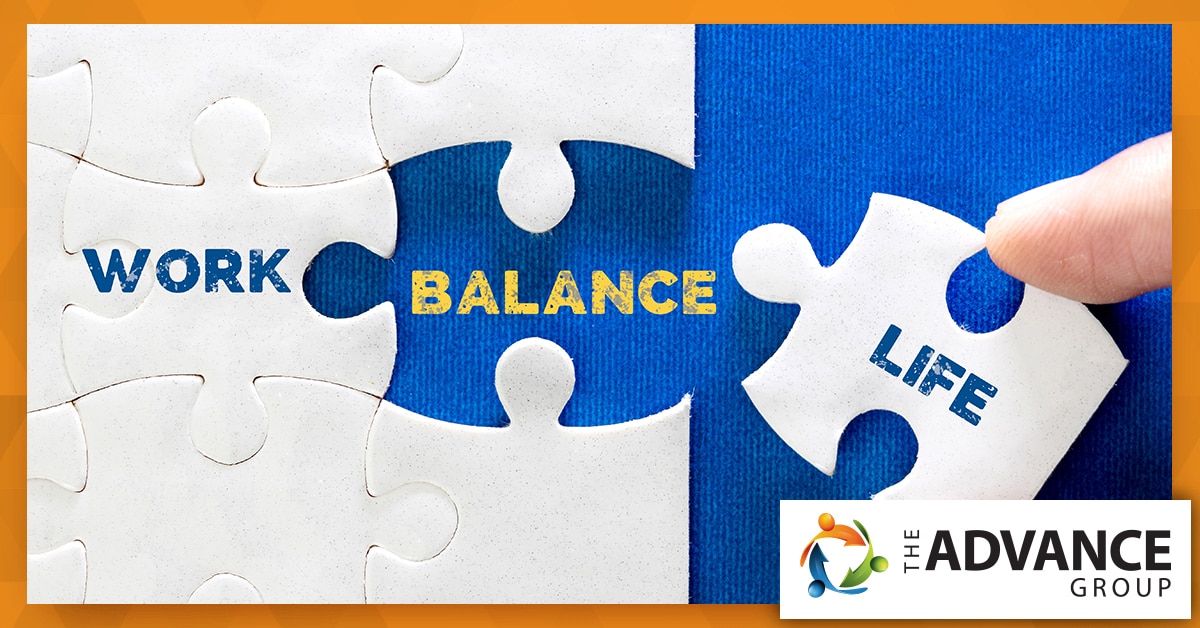


Work-Life Balance Has Changed. Here’s What to Aim For in 2021

Many professionals want to have a work-life balance. In the wake of 2020, exactly what that means has changed. Before the pandemic, work-life balance often meant having enough time away from the office to handle personal responsibilities, participate in hobbies, and spend time with loved ones. However, for those who have spent a year working from home, work-life balance may mean something different.

Achieving work-life balance isn’t always an easy feat, but it is possible. If you want to aim for it in 2021, here are some tips that can help.

Know What Balance Means to You

Before you take any steps, you need a solid understanding of what work-life balance actually means to you. Consider how you would spend your time in a “perfect” world, both personally and professionally. Envision an ideal weekday, weekend, career progression, family situation, or anything else that gives you insights.

After that, reflect on which of those is genuinely the most important to you. Put what you imagined in order, separating the must-haves from the nice-to-haves.

The goal isn’t to focus on creating “perfection.” Instead, it’s to understand where your priorities and dreams lie. How you would spend your time if you had full control over your schedule can tell you a lot, making it easier to figure out what balance means.

Set Appropriate Boundaries

Often, work-life balance is most easily disrupted when professional responsibilities leach into your personal time, something that may have occurred more frequently with remote workers during the pandemic. As a result, setting appropriate boundaries can be a crucial component of getting to a better place.

For example, you might want to make it a habit to completely shut down work-related technology when you’re off the clock. This includes everything from turning off your computer (if you work from home) to silencing notifications on your smartphone.

In many cases, you’ll also need to have a frank discussion with your manager about boundaries. Your manager’s expectations may play a role in the amount of leeway you have, as well as the nature of your position. As a result, it’s best to have a one-on-one conversation to determine what steps you can take to create much-needed separation between your personal and professional life.

Prioritize Self-Care

Self-care is crucial for maintaining your wellbeing, so it needs to be a priority. Make sure you block out time in your schedule for activities that leave you feeling refreshed and invigorated.

Healthy meals, quality sleep, and some exercise should typically be part of everyone’s wellness plan. Beyond that, it may depend on your personal preferences. Almost anything that leaves you with enough energy to handle your professional and personal responsibilities should be on the table, allowing you to create a custom approach that works best for you.

Ultimately, the tips above can make work-life balance easier to achieve in 2021. If you’d like to find out more, the team at The Advance Group wants to hear from you. Contact us today.


World Health Day Regaining Health and Economic Strength in 2021

World Health Day has been celebrated each year since 1948 on April 7th. The World Health Organization promotes this celebration yearly to promote awareness of health concerns. If we learned anything in the last year is that most of us take our health for granted. Whether you are recovering from COVID-19, or managed to avoid it, you may wonder what measures you can take to optimize your health and that of your employees.

Consider These Health-Promoting Tips:

Exercise. Exercise or just motion in general can help keep you healthy and alert. Get outside if you can for fresh air and vitamin D. There are many options for fitness regimens from strength training to spinning to yoga as well. But don’t underestimate the power of house or yard work. Any time you’re moving, you’re giving your fitness a boost.

Eat Well. Focus on whole, unprocessed food while limiting sugar and alcohol. Good nutrition can help keep your immune system in prime condition.

Continue Basic Health Measures. Many of the recommendations to prevent the spread of coronavirus were just common sense, such as regular, thorough hand washing. Some practices, such as wearing masks, will probably end, but possibly not considering the sharp drop in cold and flu incidence.

Reduce Stress. Stress can have a negative impact on your physical and mental health, which can affect your immune system. Yoga, meditation and exercise can help, but so can any hobby you enjoy.

Choose the Right Job. During the pandemic, many employers went out of their way to keep employees safe on the job. These companies continue to be employers of choice in 2021. A good job can help to boost health, not only because employed people have better access to health care, but because the right job can reduce stress and improve mental health.

Keep Employees Safer. While you have little control over employee health habits, you can do your part to keep them safe on the job. Continue CDC recommended health measures for the COVID-19 or any other infectious diseases that may arise. Provide safety training on the job to be sure they understand OSHA regulations as well as any making them aware of ergonomic or other on-the-job best practices.

The greatest stressors you’re likely to encounter is feeling frustrated you are stuck in the wrong job or difficulty finding candidates who are just the right fit. If you’re ready to try something new, contact The Advance Group today!


Use The Advance Group Difference to Your Advantage in the Talent Wars!

Today, employers in nearly every industry are embroiled in a talent war. Even with unemployment being higher due to the pandemic, accessing top talent still remains, in a word, challenging.

Savvy companies understand that harnessing every advantage is a necessity if they are going to secure the talent they need to thrive. By partnering with The Advance Group, you can separate yourself from competitors, giving you the recruitment and hiring advantages you need to meet your workforce need and achieve your goals.

If you are wondering how The Advance Group can give you an advantage in the talent wars, here’s what we have to offer.

Employer of Choice

When a company is viewed as an employer of choice, access to top talent is augmented dramatically. Leading professionals prefer employers who bring what they need to the table, including when it comes to salary, benefits, access to growth opportunities, and culture.

By partnering with a reputable firm that’s viewed as an employer of choice, your company gets a competitive advantage. Recruitment and retention are both eased, making it easier to locate and secure the skilled professionals you need and keep them on board for the long-term.

The Advance Group is positioned as an employer of choice. As a known source of exceptional opportunities, we can offer companies greater access to talent. Candidates see us as a genuine resource for all of their career-oriented needs, and interest in our services continues to grow.

Additionally, thanks to our comprehensive benefits packages, on-going rewards programs, and other employee perks, professionals find additional value in securing positions through The Advance Group, including when it comes to short-term roles, temp-to-hire placements, and permanent jobs.

Staffing Industry Expertise

At The Advance Group, we offer unprecedented staffing industry expertise. We have been in business for 30 years, giving us critical insights that allow us to develop reliable best practices that adapt to the needs of today and the expectations of tomorrow.

The Advantage Group team has exceptional tenure in the industry, providing them with knowledge and experience that isn’t widely available in the sector. We leverage our expertise to the benefit of local employers and candidates alike, allowing us to serve as trusted advisors who use a consultative approach to staffing, ensuring your needs and preferences become our priorities when filling positions.

Our staffing industry expertise also ensures that we can place high-quality talent quickly. We understand what it takes to excel in a variety of roles and environments, allowing us to provide candidates who can offer better performance and greater longevity.

Plus, our services provide client companies with additional benefits. Risk reduction, hiring process streamlining, employee engagement enhancement, and workforce management augmentation are all improvements we can bring to the table.

Ultimately, by partnering with The Advance Group, you can gain an advantage in the talent war. If you’d like to learn more about our comprehensive and customizable solutions, the team at The Advance Group wants to hear from you. Contact us today.



What Does COVID-19 Mean for Workers’ Compensation in Ohio

COVID-19 has changed the face of health care and business in a mere matter of months.

“Many employers didn’t have the resources or means to have employees work from home. When the Governor lifted the ‘stay-at-home’ mandate, it created additional challenges for employers to adhere to COVID safety protocols, as they brought employees back to the workplace,” says Kim Jaconette, Training Director, Health Management Solutions.

But what about how it’s affecting workers’ compensation in Ohio and what do those changes mean for employers? Let’s take a look.

  1. What is the Bureau of Workers’ Compensation (BWC) doing to help employers during this unprecedented time?
    • At the request of Ohio Governor Mike DeWine, the BWC sent up to $1.6 billion to Ohio employers in hopes of lessening the economic impact of COVID-19, specifically, on Ohio’s economy and businesses. Each active private employer received a dividend.
    • The BWC is also giving employers until Sept. 1, 2020, to pay installments for June, July and August. Furthermore, the BWC will still provide coverage without penalties for unpaid installments during this time.
  2. If an employee contracts COVID-19, is it a compensable workers’ compensation claim?
    It depends. If an employee contracts COVID-19 on the job in a position that poses a special hazard or risk, then yes. That could be considered a compensable worker’s compensation claim. Otherwise, in general, communicable diseases aren’t usually considered for worker’s compensation because there are so many ways one can contract such a disease.
  3. If an employee is quarantined due to COVID-19, can they receive workers’ compensation wage replacement benefits? The BWC can only pay compensation if the allowed claim for disability results from allowed conditions.
  4. Is the BWC making determinations on new claims? Absolutely. The BWC staff is working remotely and is processing claims.
  5. Has the BWC modified its delivery of care for injured workers through telemedicine and telephone services?

Yes. The BWC has expanded its use of telemedicine and telephone services during COVID-19. Specifically, injured workers can receive telehealth care from home. Telephone communication has also been approved as a temporary substitute for some vocational rehabilitation services.

Worker’s compensation regulatory guidance is constantly changing during the pandemic. For more information, please visit info.bwc.ohio.gov and hmssolutions.com.


Keeping Your Off-Site Team on Track

Overseeing an off-site team means dealing with a variety of challenges. It cannot be easy to keep everyone on target when they are not working in the same office. Plus, communication, collaboration, and motivation can be tricky to manage.

Luckily, by using the right strategy, you can keep your remote team on track. If you aren’t sure where to begin, here are some tips that can help.

Embrace Public Task Tracking

While each worker may have a unique set of responsibilities, using public task tracking options can be beneficial. Sharing activity details with everyone creates a sense of accountability, as each person’s workload becomes highly visible.

Additionally, this simplifies progress monitoring for joint projects. Every team member can see where the others are when it comes to their project-related responsibilities. This limits the need for active check-ins, as simply reviewing the lists provides the needed amount of insight.

At times, something as simple as a task list can do the trick. However, you can also use more robust collaboration or project management software. With the latter approach, you’ll also gain additional functionality that may boost productivity, such as built-in messaging and file-sharing.

Schedule Regular Check-ins

Touching base with every team member regularly can improve your visibility into their activities. A simple weekly video call can be incredibly effective. It serves as a platform for progress updates, creates opportunities for asking questions, and invites a level of dialog missing from other communication methods.

Additionally, with regular video calls, you get a chance to address each team member’s morale and motivation needs. You can learn about their individual struggles, allowing you to work with them to improve the situation.

Establish Your Own Routine

Maintaining your own routine can influence your team. A degree of predictability allows them to anticipate when you may be available for questions or insights, enabling them to time when they reach out effectively.

Further, a routine helps you develop beneficial patterns that boost your productivity. You can ensure that you have enough time to handle your own responsibilities, decreasing the odds that you’ll fall behind or get rushed during the day.

Use Recognition and Incentives

Both recognition and incentives are powerful tools for keeping your team on track. By acknowledging their efforts and offering praise when it’s due, you can bolster morale. When employees feel appreciated, productivity also tends to be higher.

With incentives, you are creating a reward for meeting milestones or exceeding expectations. It’s a great option for boosting motivation, acting as a source of encouragement for going the extra mile.

By using group rewards, you can also boost collaboration and teamwork. It creates a sense of comradery and can improve accountability, ensuring everyone works together to achieve the desired goal.

Ultimately, while keeping an off-site team on track can be challenging, the tips above can simplify it. If you’d like to learn more about how to motivate and guide your remote workforce, the staff at The Advance Group can help. Contact us today.


How Does Your Candidate Experience Stack Up to the Competition?

When it comes to recruitment, your candidate experience can make a world of difference. If you fail to measure up to the competition or meet job seeker expectations, you may struggle to secure the talent your company needs to thrive.

Luckily, you can assess and enhance your candidate experience by understanding what you bring to the table. By doing so, you can increase your odds of being viewed as an employer of choice, making it easier to tap the top performers your team needs to excel.

If you aren’t sure if your candidate experience stacks up to the competition or what you can do to improve, here’s what you need to know.

Why the Candidate Experience Matters

Often, your recruitment process serves as a basis for a candidate’s first impressions of your company. If it’s negative, it can actually cause top talent to exit your recruitment funnel and pursue opportunities elsewhere. At times, a disenchanted job seeker may even discuss your candidate experience, harming your employer brand.

When the candidate experience is positive, it sets a beneficial tone. It may generate positive word of mouth and also keeps the job seeker in your recruitment funnel. Even if they don’t get this position, they may be open to remaining in your talent pool, which can boost your recruitment efforts.

Assessing Your Candidate Experience

If you want to assess your candidate experience, getting feedback from job seekers is an obvious route. You can ask for their input about what went well and what didn’t, using their insights to make future improvements.

However, you can also examine certain key metrics. The time between application submission and contact with a hiring manager is one point to explore. Similarly, the amount of time it takes to apply, length of the screening process, total number of steps, and similar metrics are valuable.

Making a note of any points where candidates abandon your hiring process is also a great option. With that approach, you can pinpoint issues that are actively driving job seekers away.

Ultimately, you want to explore the numbers and data to identify delays, bottlenecks, and other opportunities for meaningful efficiency improvements. That way, you can streamline your hiring process to meet candidate needs and expectations better.

How to Create an Exceptional Candidate Experience

In most cases, candidates look for an efficient hiring process. For example, allowing them to complete an application or submit a resume, but not requiring both, is preferred. Limiting the number of essay questions is also crucial, as too many may drive candidates away.

Additionally, communication is a big factor. Candidates don’t want to feel like their resume disappeared into a black hole. Ensure that job seeker know their application was received, get a timeline for the rest of the hiring process, and receive regular check-in communications or process updates. This makes them feel informed and valued, and that works in your favor.

Ultimately, any improvement that makes your hiring process simpler or more enjoyable is worth considering. That way, job seekers will view applying as a positive experience overall.

If you’d like to learn more, the staff at The Advance Group can help. Contact us today.


Here’s How to Calculate Your Employee Turnover

Understanding your employer turnover rate is critical for every business. It allows organizations to gauge the effectiveness of retention efforts, determine whether their salary schedules are competitive, and otherwise monitor employee sentiment about the company.

By calculating your employee turnover, you’re empowering your business to make meaningful changes that boost engagement, morale, and, ultimately, longevity. If you are wondering how you can calculate your turnover rate and how you can use that information to your benefit, here’s what you need to know.

How to Calculate Your Employee Turnover Rate

  1. Gather the Right Figures

Generally speaking, you’ll need three metrics to calculate your employee turnover rate. First, you need to determine the number of workers who left your organization – both voluntarily and involuntarily – during a specific time period.

Second, you need to figure out how many employees were part of the organization at the start of that period. Finally, you’ll want to check your staffing levels at the end of that time window.

  1. Get the Average

Before you can assess turnover rates, you need to calculate the average number of employees you had in place during that period. Add together the number of present workers at the start of the time window and the number who were there at the end. Then, divide that figure by two. That’s your average.

  1. Get the Turnover Rate

With your average in-hand, divide the number of employees who left by that average. Then, multiple that number by 100. That is your turnover rate expressed as a percentage.

For example, if you have six employees leave and the average number of workers was 200, this is the calculation:

(6 / 200) x 100 = 3 percent

Making Use of Your Turnover Rate Data

Often, retention is a major concern of companies. By monitoring your turnover rate, you can gauge the effectiveness of various retention efforts, salary schedules, and other factors that impact worker longevity.

With the turnover rate information, you can analyze how adjustments within your company influence retention. For example, you can see whether salary increases lead to longevity or if a shift in your culture has a positive or negative impact.

That means you shouldn’t look at your turnover rate in isolation. Turnover is a symptom of other aspects of the organization. As a result, you have to look at it in the context of various decisions and situations that impact employees, particularly those that influence engagement, morale, and loyalty.

Ultimately, like many performance metrics, your turnover rate is simply a starting point for something greater. Rising rates may signal that an issue needs addressing while declining turnover rates show positive change. By reviewing the data in the right light, you create an opportunity for improvement.

If you’d like to learn more about how to boost retention and reduce turnover, the skilled team at The Advance Group can help. Contact us to speak with a member of our knowledgeable team today.


Now Is the Time to Focus on Employee Engagement!

Employee engagement has been a hot topic for a few years. However, now, it’s more important than ever, mainly because so many companies have had to embrace telecommuting.

When your team is working remotely, managing engagement can be incredibly challenging. After all, your workforce isn’t reporting to an office with you, so it can be hard to gauge their sentiment, mentality, and stress levels. Plus, there are fewer opportunities for organic socializing, making it harder to form bonds and stay connected.

However, engagement can also be an issue with teams working on-site. Just because a worker is physically present doesn’t mean they aren’t having trouble focusing and remaining productive.

Luckily, some options can help. If you want to boost employee engagement, here are some tips that can make a difference.

Reach Out for Feedback

Often, you can’t tell if you have an employee engagement issue if you don’t reach out to your team. While you may assume that you’d notice if someone is suddenly struggling, that isn’t always the case.

If you’re concerned about engagement, reach out to your team for feedback. Send out anonymous surveys as a starting point. With those, you can identify potential trends in pain points, allowing you to focus on areas that have the most significant negative impact across the board.

However, don’t be afraid to schedule one-on-one meetings with each employee to have an open and honest discussion. This is especially true with remote teams where you don’t have as many opportunities for casual conversations that let you know how they are feeling. Make it clear that you want to help them thrive and are hoping to learn more about what may be holding them back. Then, work together to identify potential solutions, allowing them to take an active role in addressing the problems.

Make Recognition a Priority

Acknowledging the accomplishments of your team can make a big difference. Recognition for a job well done is a morale booster. It lets the employee know that their efforts are seen and valued, which can go a long way.

But you don’t necessarily want to stop there. Making “thank you” part of your everyday conversations is also a wise move. Simply thanking your team for sending in a deliverable isn’t just polite; it’s a feel-good moment that boosts their mood. It shows that you appreciate even the smallest efforts on their part, creating a positive culture that’s all about gratitude.

Amp Up Communication

While you don’t need to cross the line into micromanaging, making communication a priority is essential. Many employees are nervous about what the future holds since the pandemic is still a factor.

By being open and honest about the team’s state and the company, you can prevent rumors from taking hold. That can lead to stronger company culture, even if the news you share isn’t always good.

Additionally, it allows you to calm fears that may be unfounded. Gossip can be damaging, particularly if it isn’t based on truth. With regular communication, you can learn about the issues and intervene, ensuring misinformation isn’t causing unnecessary damage.

Ultimately, employee engagement needs to be a focus in 2021. With the tips above, you can make it a priority with greater ease. If you’d like to learn more about managing engagement, the team at The Advance Group can help. Contact us today.


The Pros and Cons of Working Remotely

The Pros and Cons of Working Remotely

There was a time not so long ago when we all dreamed of working remotely. Having time in the morning to enjoy breakfast and a hot coffee or tea. Catching up on the news before making the “commute” to the laptop in the corner. The option to work in sweatpants or pajamas.

In 2020, millions of Americans were granted their wish thanks to pandemic-related lockdowns. Eventually – and sometimes quickly – those same Americans found out that there are pros to working from home, but there are also drawbacks. We talked to the team here at The Advance Group to find out what they like most (and least) about working from home, and what this can mean for your business moving forward.

The Advantages of Working Remotely

Working from home has its advantages, and the Advance team was quick to share what they love most about working remotely:

  • Flexibility to take care of appointments and errands
  • Fewer interruptions from co-workers
  • No commute

Niki said, “I feel like I get more done. I have fewer interruptions throughout the day from other people…the ability to work from home and save money on gas and save time on the commute is really an added bonus and something I consider as part of a great benefits/salary package.”

Tara is also pleased by the lack of commute. “I enjoy eliminating the commute, especially in the winter months, during poor weather conditions. I’m enjoying more casual attire. Also, there are far fewer interruptions and distractions,” she told us.

Tyler was pleasantly surprised by working from home, noting, “When I first transitioned to working from home, I thought there would be more challenges like communication issues because I’m not face-to-face with coworkers and because of the distractions that naturally come from working from home. In an effort to limit those challenges, I have set up a comfortable workstation and set boundaries with my family, so they know that while I am working, I need to stay focused on my work.”

Working from home has also agreed with Bill. “My productivity has increased significantly since I have been allowed to work from home,” he told us. “The office is filled with distractions, including random people looking for “15 minutes of your time.”

Alayna told us, “As an outside salesperson, it’s definitely been an interesting transition, and although I miss seeing clients and coworkers, I love working remotely. The time saved on commuting, the ability to do chores on my lunch break, and having only myself as a distraction has been great! The pros and cons will be different for everyone but offering remote work when possible is just another way for companies to attract and keep the talent they need.”

Linda offered some advice for using your lack of commute wisely, “For me, being organized and having a comfortable, dedicated workspace with little to no distractions is key! I also take advantage of not having a commute by doing some form of self-care in the morning. Sometimes that is actually just sleeping in a bit, sometimes a workout, sometimes journaling, sometimes yoga or a meditation video. Take advantage of the extra time that you are gifted.”

Stacey reminds us that remote work success is really about being self-motivated. “My experience working from home is that you have to have a dedicated workspace in a ‘distraction-free zone,’” she said.  “You also need to know when to say when.  Having a home office will allow you to close the door at the end of the day, but it can be hard to ‘turn off.’  I believe you have to be disciplined, a self-starter and a problem solver.  Learn how to step away and recharge to avoid burnout and know when to ask for help.”

The Cons of Working Remotely

Remote work isn’t always a walk in the park. As with anything, it has its drawbacks, and we asked our team about those, as well.

  • No physical separation between work and leisure time
  • Getting a change of scenery takes a great deal of effort.
  • Difficult to remember to get up and move

Niki told us, “One of the cons from working from home is that sometimes I get so focused on getting tasks done that I forget to get up and move around throughout the day…I need to try to remind myself to get up and take a stretch break every so often.”

While Tara doesn’t miss distractions, she does note that as a salesperson, working from home makes her miss other people. “The lack of interaction gets lonely and feels isolating.  Everyone is busy, but the positive interactions are lacking,” she said.

And What About Hybrid Schedules?

Hybrid schedules can provide the best of both worlds. Time to work from home and time to come into the office and separate work from home life and see other human beings. But that, too, can come with challenges.

Heather offered this advice to people juggling a hybrid schedule, “I love the balance that the hybrid schedule offers with time in the office and remote. The most important thing for me is to keep my morning schedule the same regardless of work location. This allows me to have extra time to get on a little early or do a quick chore in the morning when working remotely. On the other hand, I’m not stressed out and chasing the clock on days that I need the drive time to commute to the office. A hybrid schedule also means that you need to be organized. It’s important to have a routine to make sure that nothing gets left behind, either at the office or home.”

Can Remote Work Help You Attract Talent?

While there are some drawbacks to working from home, it’s clear from our small survey that the pros far outweigh the cons. Many people are used to working from home now. They’ve developed good habits and have fallen into routines that work for them, and as they look for new job opportunities, they will seek out companies that allow remote work or, at a minimum, offer hybrid telecommuting options.

If you want to learn more about what job seekers want in a post-pandemic world and how you can deliver on those needs to attract top talent, contact The Advance Group today.

Job Seekers Are Looking for Something Else Post-COVID. Do You Offer It?

COVID-19 didn’t just fundamentally alter the business landscape; it also changed employee expectations about work. In a post-COVID world, job seekers have new priorities when they are considering a new employer. And if you don’t offer what candidates are hoping to find, you may be missing out on top talent.

Luckily, much of what today’s job seekers are searching for isn’t difficult to offer or showcase in your job ads. If you aren’t sure you’re bringing the right stuff to the table, here’s a look at what candidates want to find in a post-COVID landscape.

Flexibility

Many professionals have personally experienced working from home due to the pandemic. Shelter-in-place orders during the early days of COVID-19 made heading to the office, not an option, so companies had to adapt and embrace telecommuting to maintain operations.

As a result, professionals understand the benefits that come with working remotely, and many won’t be interested in abandoning the arrangement entirely. While they will become increasingly open to returning to offices part of the time, there’s a good chance top talent will favor employers that give them some degree of flexibility. This could include anything from alternative work schedules to allowing them to work from home at least on occasion.

To put it simply, if you aren’t offering any flexible arrangements, you may have trouble securing the candidates you need. That means adding flexible options may no longer be optional for companies seeking to get their hands on leading candidates.

Autonomy

Flexibility isn’t the only thing professionals got a taste of during the pandemic; they also had a larger degree of autonomy. Managers had to give their teams greater ownership over their tasks as their employees began working from home as there was simply no way to exude a substantial amount of control.

Since many top performers don’t require much oversight to thrive, the increase in autonomy was often highly appreciated. It allowed them to focus on results and solve their own problems, something they will likely look for in future employers.

Security

Security can be a bit of an ambiguous term, as it may mean different things to each candidate. However, it is increasingly becoming a priority for many, mainly because of the uncertainty COVID-19 created.

Offering candidates a sense of security can come in many forms. Comprehensive sick leave programs can be one approach, ensuring your employees have protections if they or a family member fall ill. Telecommuting options can be another, as they provide mechanisms that can keep your team working even if new shelter-in-place orders emerge, decreasing the odds they’ll find themselves suddenly unemployed.

Ideally, companies who want to offer security need to reflect on the concerns professionals have at this time. That way, they can find opportunities to address them, ensuring they can provide a sense of security to new hires.

Ultimately, COVID-19 has changed candidate expectations. If your company is looking to hire, aligning your offerings with those expectations is essential, ensuring you can position your organization as an employer of choice today and into the future.

If you’d like to learn more about securing top talent, the team at The Advance Group can help. Contact us today.


Why Don’t Your Employees Stick Around (And What Can You Do Differently?)

For companies, turnover is always a major concern. After all, when churn rates are high, it holds the organization back. Departments may end up shorthanded, and productivity can drop. Plus, recruiting, hiring, and onboarding a stream of new employees is costly, hurting the bottom line.

If your company is struggling with retention, you’re in luck. By understanding what may be driving workers away, you can make meaningful changes that reduce turnover. If you aren’t sure where to begin, here are some of the most common reasons employees don’t stick around and what you can do about them.

Subpar Managers

A major driving force behind why many employees leave companies is subpar managers. If managers are disengaged or ineffective, tend toward micromanaging, or don’t acknowledge their team’s efforts, many top performers won’t stick around for long.

Examine turnover rates at the manager level. See if there are clusters of employees leaving, and if so, spend time looking at that manager’s actions and approaches to see if you can identify an issue. If you do, intervene by offering the manager training that helps them improve in critical areas, creating a chance for them to resolve the problem and boost retention in their department or team.

Disengagement

When an employee is disengaged, they often struggle. Whether it’s boredom, dissatisfaction with the culture, burnout, or any other issue, failing to address it usually means that the worker won’t stay for much longer.

Spend some time exploring engagement levels. You may want to use anonymous surveys, one-on-one meetings, retention interviews, or a range of other techniques to identify problems that may be leading to disengagement. Then, as you identify sources of dissatisfaction, work to address them.

In some cases, this may require company-wide adjustments, such as if a poor culture has developed. However, individual employee-level actions might also be necessary, particularly in instances of boredom and burnout.

If you can fix the root cause of disengagement, you can boost job satisfaction. When you do, turnover metrics will improve.

Recruitment Missteps

Sometimes, turnover rises because the wrong workers are being hired from the beginning. If you sacrifice the new hire’s quality in favor of speed, odds are higher that the employee isn’t actually a great fit for the job. If that occurs, frustration can build from multiple directions. The worker may struggle in the role, leading to dissatisfaction. Additionally, their manager might have to spend a lot of time correcting errors and improving the worker’s capabilities, at times in vain.

Ideally, companies should make sure that the quality of the match is the top priority. When you hire a candidate with the right skill set and attitude, their odds of excelling are higher. As a result, they may be more satisfied in the role, and their manager will be happier with their performance, both of which can lead to retention improvements.

If you want to make sure that you hire high-quality candidates, partnering with the team at The Advance Group can help. Contact us to learn more about our recruitment services and see how working with us can make finding the ideal candidate for any role easier than ever.


Lorem ipsum dolor sit amet, consectetur adipiscing elit. Ut elit tellus, luctus nec ullamcorper mattis, pulvinar dapibus leo.

Stacey Bigelow

CEO