
Fabricator Job Description
What Is a Fabricator Job?
A fabricator job in manufacturing places you in a hands-on setting where skill and focus matter. You become an essential part of the team, helping create products used every day. Manufacturers depend on fabricators for quality results, reliable work, and the ability to meet production needs across different industries.
What Does a Fabricator Do?
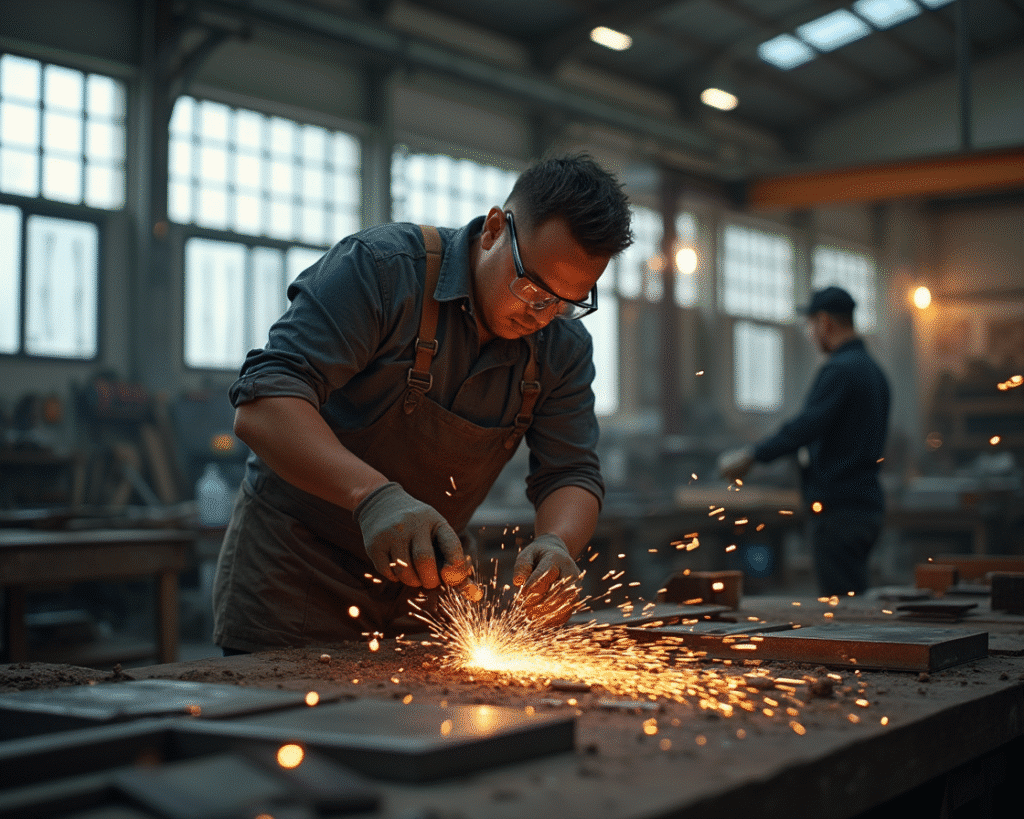
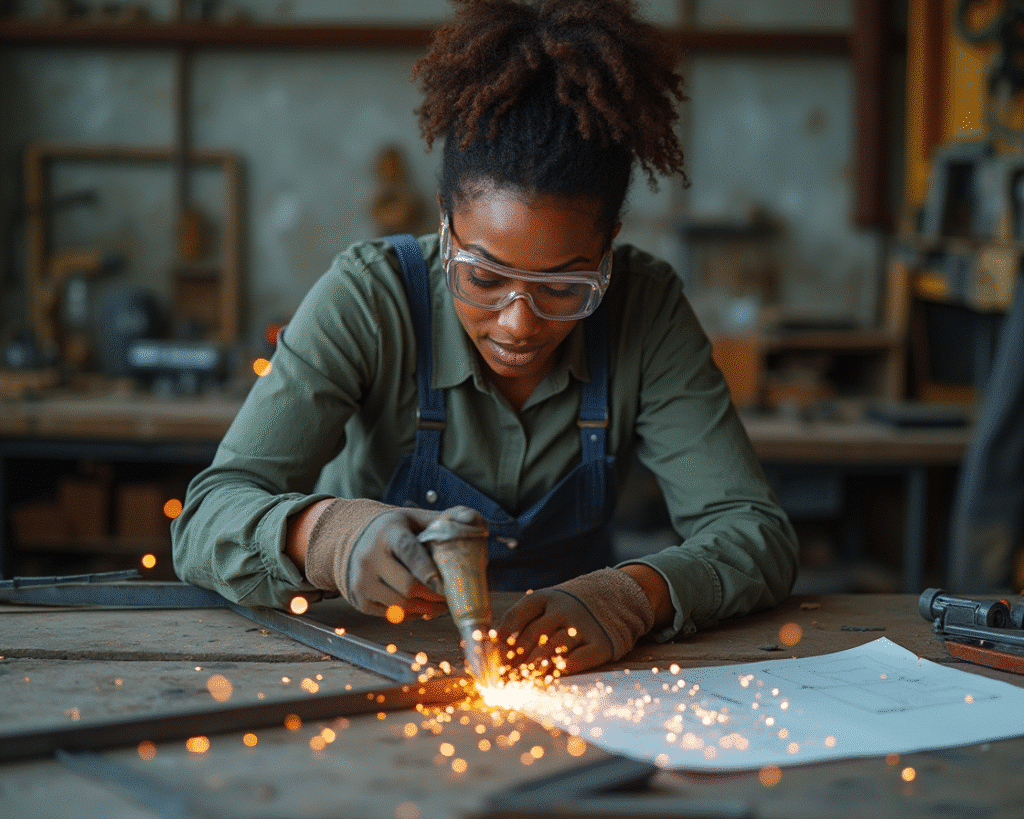
Working as a fabricator means reading blueprints, measuring materials, and cutting metal or other materials to precise specifications. You use machines, hand tools, and welding equipment to assemble components. Inspecting finished pieces for quality and safety is part of the job. Your attention to detail helps every project come together smoothly from start to finish.
Fabricator Responsibilities:
- Maintain a safe and organized work area always
- Communicate clearly with supervisors and coworkers on shift
- Follow company guidelines for all fabrication processes
- Record daily tasks and material usage accurately
- Attend safety meetings and participate in required training
- Report equipment issues or material shortages right away
Fabricator Duties:
- Read and interpret blueprints for each assigned project
- Measure and cut materials using tools and machines
- Operate welding equipment for joining metal parts
- Assemble fabricated components following exact instructions
- Inspect finished pieces to confirm quality and accuracy
- Perform routine cleaning of machines after each job
Fabricator Skills, Certification, and Training
Fabricator Skills
Strong skills set you apart as a fabricator in manufacturing. Precision, careful measurement, and the ability to work with machinery are important in this career. Many companies look for people who bring hands-on ability and a desire to improve. Key skills help you succeed in a fabricator role, including:
- Basic math for measurements and calculations
- Hand-eye coordination for using fabrication tools
- Blueprint reading for accurate project completion
- Ability to operate welding and cutting machines
- Problem-solving to adjust or repair equipment
- Communication for working smoothly with coworkers
Fabricator Training
Training prepares you to work confidently and safely as a fabricator. Most employers offer structured programs and on-the-job instruction to help you develop core skills. A strong training foundation lets you handle daily tasks and adapt to new projects. Training for fabricators usually covers the following important areas:
- Safe operation of fabrication and cutting equipment
- Reading and interpreting blueprints and schematics
- Material handling and proper storage methods
- Welding techniques and machine setup
- Quality control and inspection practices
- Basic maintenance and cleaning of machines
Fabricator Certification
Certification can boost your career as a fabricator and give you an edge when applying for jobs. Many employers value certified workers for their commitment to safety and quality. Earning credentials shows your skill and dedication. The following certifications are recognized and respected in the manufacturing industry:
- OSHA safety certification for general industry
- American Welding Society (AWS) welder certification
- Forklift operation certification
- First aid and CPR certification
- Blueprint reading and interpretation certification
- Metal fabrication technology certification
Fabricator Salary and Benefits
Fabricator Salary
Pay for fabricators in manufacturing is competitive and often reflects your skills, training, and location. Entry-level workers earn a solid starting wage, while experienced fabricators receive higher pay. Overtime and bonuses can increase your total earnings. Companies in Michigan and Ohio recognize the value of skilled fabricators and reward strong performance with steady income.
Benefits of an Fabricator Position:
- Full-time employment with regular and steady hours
- Health, dental, and vision insurance coverage available
- Paid holidays and vacation for personal time off
- Growth opportunities within the manufacturing company
- On-site training to improve and learn new skills
- Retirement savings options supported by employer contributions
Fabricator Job Interview Questions
Preparing for a fabricator job interview builds confidence and helps you make a good impression. Employers want to know about your skills, experience, and ability to solve problems on the job. Below are common questions you may be asked during a fabricator interview:
- How do you read and follow a blueprint?
- What experience do you have with welding equipment?
- How do you check your work for quality?
- Can you explain your process for measuring materials?
- Describe a time you solved a problem at work
- What steps do you take to ensure safety?
Looking for Fabricator Jobs?
Start your next manufacturing career with The Advance Group. Find fabricator opportunities in Michigan and Ohio with companies that value your skills and experience. Friendly recruiters can help you get matched to the right job, answer your questions, and guide you through the hiring process. Apply now and take the next step as a fabricator.
Looking to Recruit Fabricator Job Candidates?
Find skilled fabricator candidates for your company with help from The Advance Group. Connect with dependable workers who are ready to support your manufacturing team. Get reliable staffing solutions, quick placements, and support from experienced recruiters. Reach out today to fill your open fabricator roles and keep your operations running smoothly.